
No products in the cart.
Outdoor Adventure
Exactly What You Need to Go Skiing for the First Time

22
Dec
Dec
Published December 21, 2025 03:05AM
Skiing is an intimidating sport. It’s got a ton of barriers to entry (cost, time, sheer amount of gear), the people who are good at it are really good at it, and a bad day downhill skiing can result in a torn ACL. For all those reasons and more, I’ve lived in Colorado for years but never been downhill skiing. But I just recently took my first-ever ski lesson at Big Sky Resort during a visit to Montana and can say: I see what the hype is about.
Leading up the lesson, though, I realized I didn’t really know what I needed to wear or bring. Here’s what you’ll need on your first day out if you’re renting the big stuff (skis, bindings, helmet, and boots) from the rental shop (which you should!). And skip the hat: It might give you a Jerry gap (a space between your goggles and helmet), which is the telltale sign of a noob.
1. Good Jacket and Pants
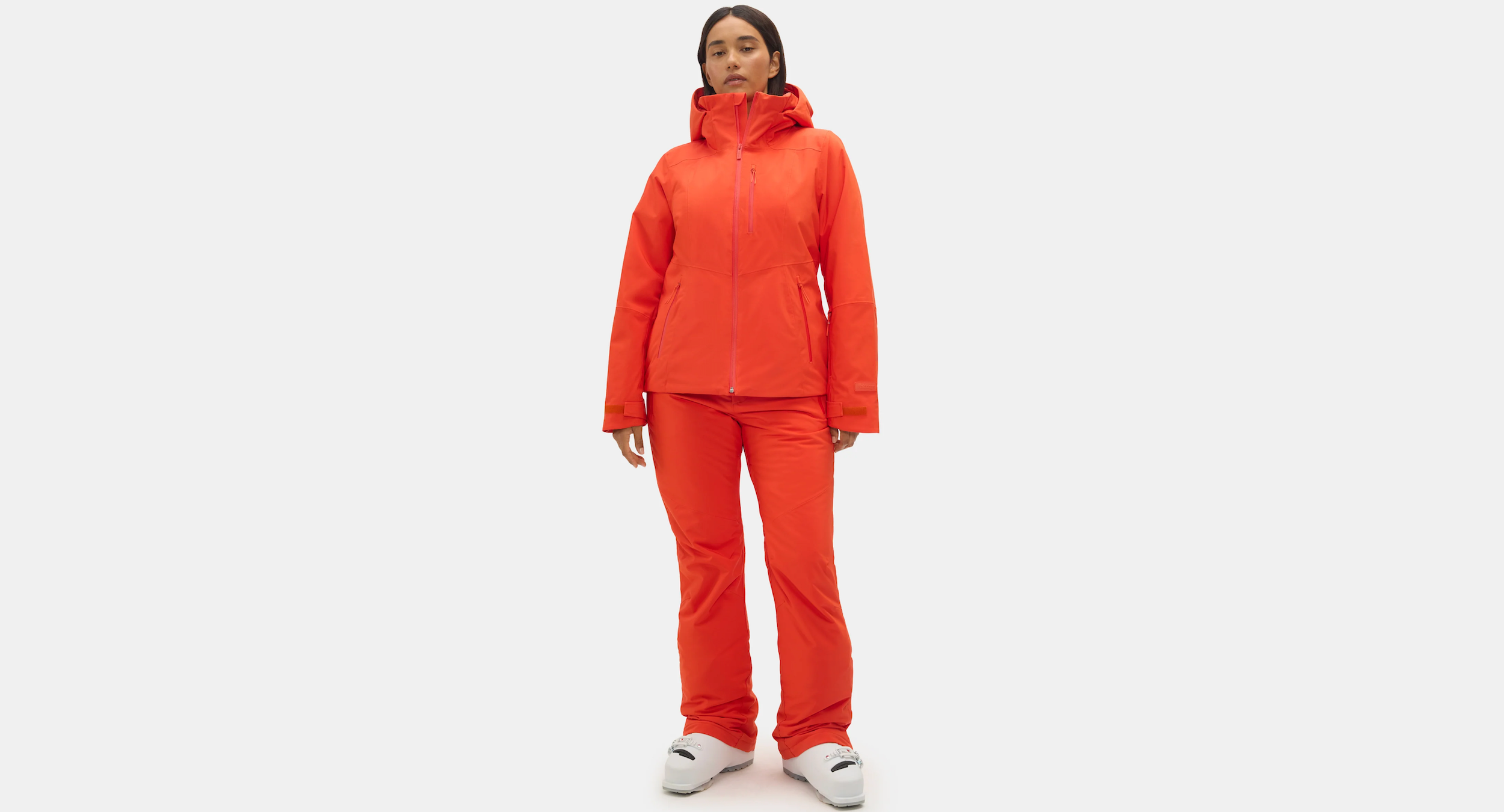
I do a lot of snowshoeing in the winter and have attempted cross-country skiing before, so while I have winter clothes suitable for getting your heart rate up, I didn’t own anything ski-specific—and nothing that would work for moving slowly downhill in a beginner ski lesson. This set from Halfdays ended up being just what I needed: insulated but not restricting, perfect for the temps (it’s made for anything between 0 and 40; we were hovering around 25 that day in Big Sky), and super good-looking. And as I heard more than once that day: Half of skiing is looking good.
“Man, you had a great ski outfit. You were set,” says Jim Mikulich, instructor for my lesson who’s been teaching people to ski for more than 30 years. “Your ski outfit was spot on. And that kept you comfortable.”
I also really like the adjustable waistband on the pants, which gives you a more custom fit than a bib, and the phone strap in the jacket. And while the price for the jacket at $395 is high, it turns out it’s pretty reasonable for a ski jacket. (Our testers have tried more budget ski jacket options, too.)
Halfdays Lawrence Jacket + Alessandra Pant
2. Goggles
This was a surprise to me, but the rental shop at Big Sky resort doesn’t offer goggles. There’s a good chance your mountain won’t, either, for one very good reason: Goggles can be tough to sanitize between users. And, according to Mikulich, forgetting goggles is one of the biggest issues he sees with beginners.
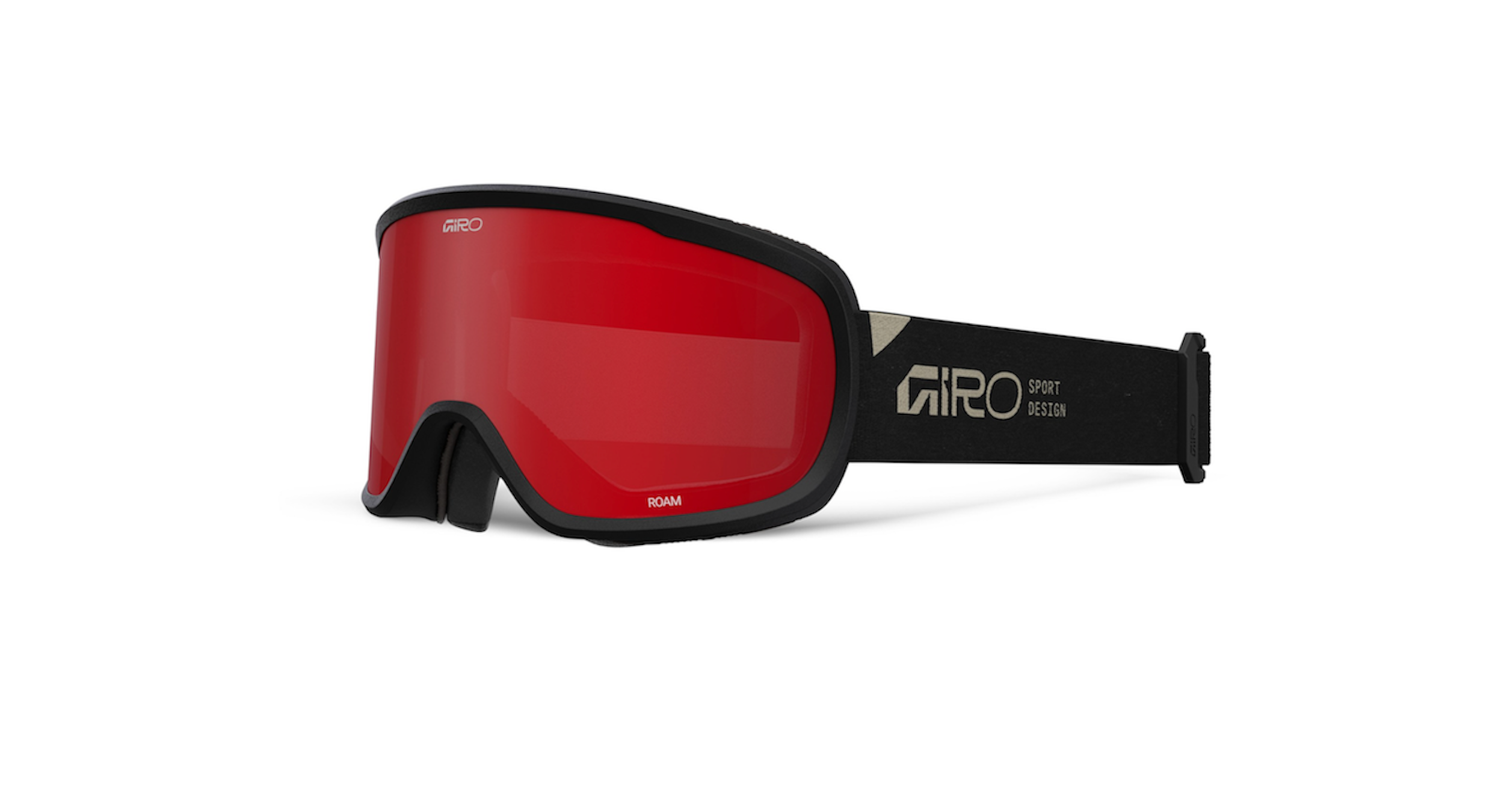
I used these from Giro for the day, and they worked great in changing conditions, where the sun would come out for 20 minutes followed by 20 minutes of light snowing. I also like that, like all the best ski goggles, they come with an extra lens in case of truly inclement weather—my hope is to become such a good skier I actually need that extra lens one day.
Giro Roam Snow Goggles
3. Three-Quarter Base Layer
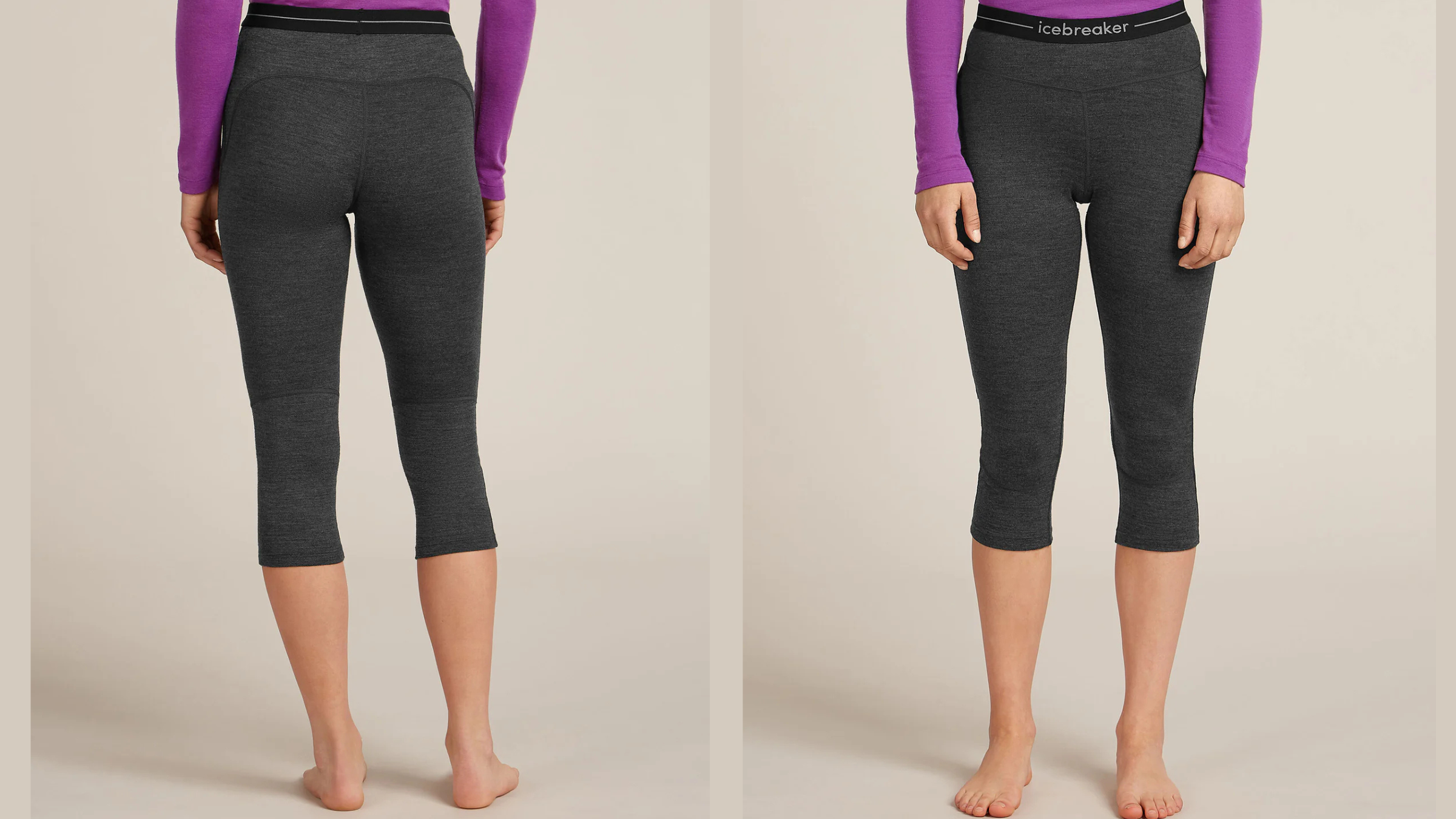
I didn’t want to believe it, but it’s true: There’s no place for long johns in a ski boot. My Icebreaker merino leggings have held up for five years and show no real signs of wear, so I grabbed those for the day. Unfortunately, I have the full-length version, and that was a mistake: I had to pull the bottoms up so they wouldn’t get in the way of my ski boots/socks combo. The boot fitter made it clear that having a smooth shin up against the boot would make for the most comfortable experience, so opt for a shorter length to pair with…
Icebreaker Women’s Merino 200 Oasis 3/4 Thermal Leggings
4. Tall Ski Socks
Tall ski socks + three-quarter-length base layer is the move. My other mistake was wearing my trusty quarter-length Darn Toughs at first. I switched to a pair of taller, thicker Stances that I had brought with me as backup, but found myself wishing I had a pair of thinner, purpose-made socks, maybe with a bit of compression.
Bringing the wrong socks is probably the number-one mistake Mikulich sees beginners make. “People think, I’ll wear really thick socks and it’ll keep your foot warm,” he says. “[In fact,] you want that sock to be smooth and make a nice surface for it to go up against that tongue of the boot.”
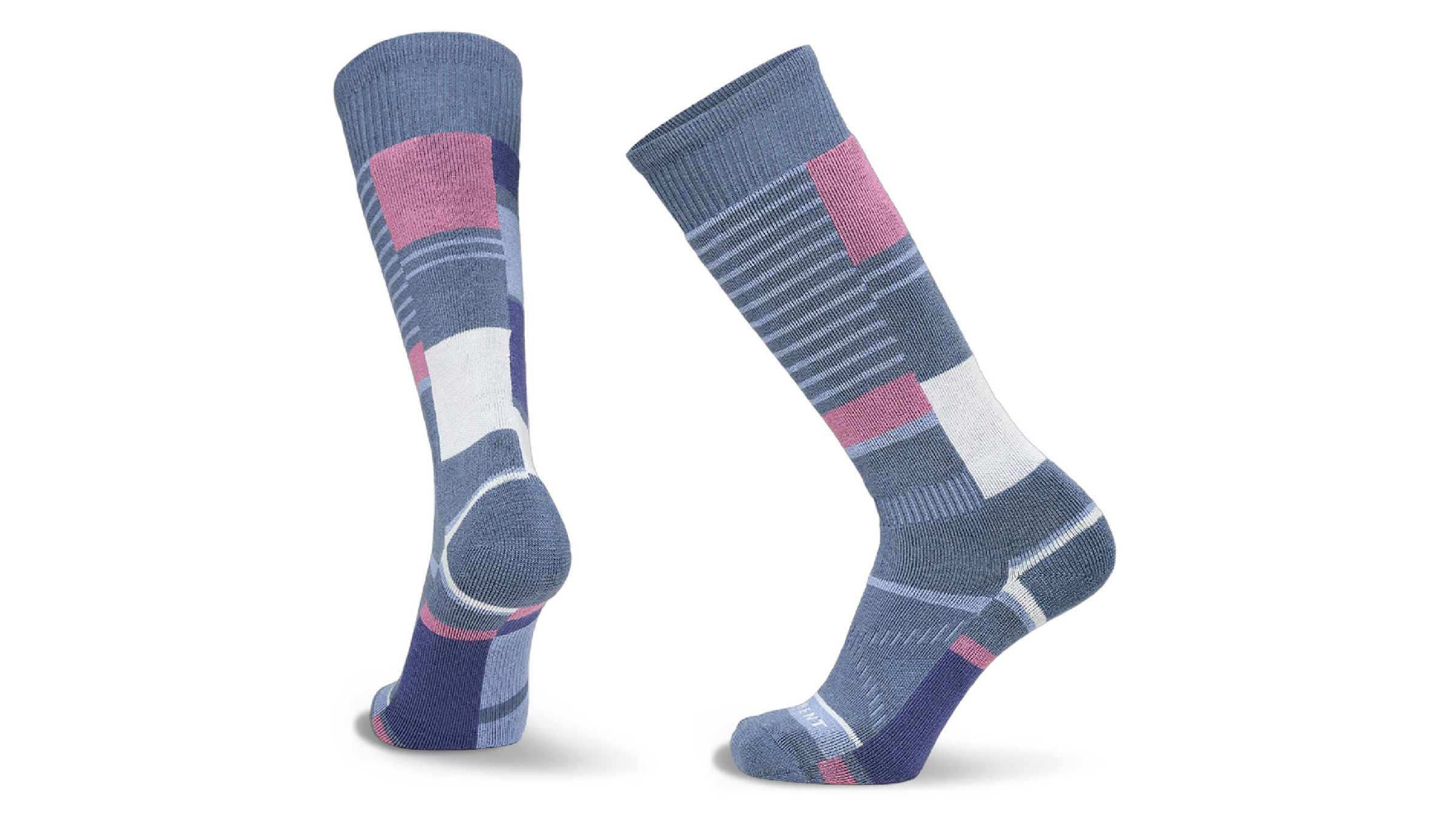
These from Le Bent come recommended by Jenny Wiegand, associate gear director and lead editor of our 2026 winter gear guide. And yes, these are now on my Christmas wishlist.
Le Bent Full Cushion Oaken Snow Sock
5. Lip Balm
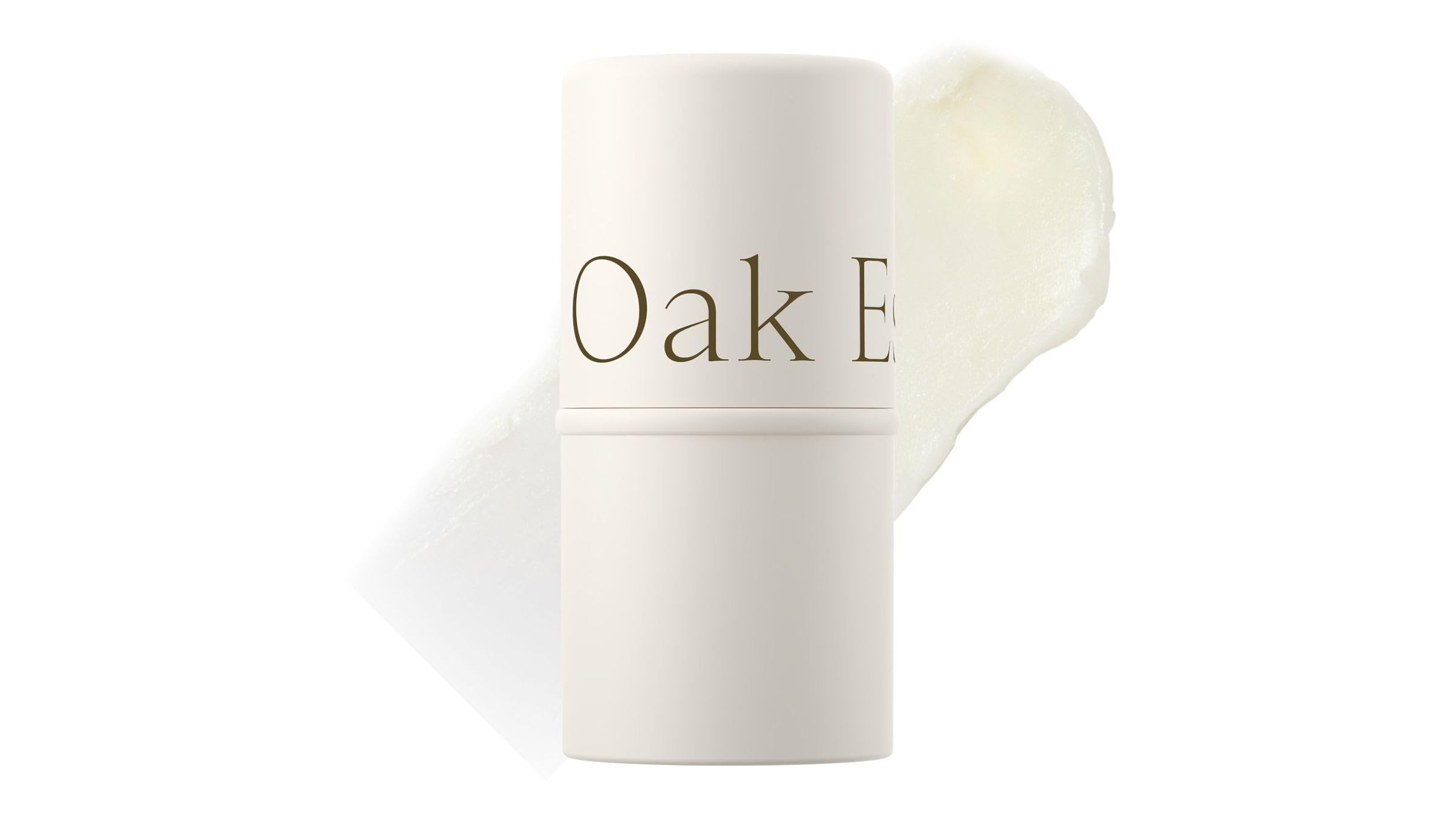
If you’re skiing in the west, it’s going to be dry—like, 10 percent humidity levels dry. Dry plus cold plus maybe some speedy downhill means your lips are likely to get chapped. Any lip balm you can easily re-apply will do, but Chris Walch, founder of Women of Winter and another ski instructor at Big Sky, had this on her the day of my ski lesson. And if it’s good enough for someone who literally does this for a living, it’s good enough for me.
Oak Essentials Lip Balm
6. Sunscreen
If you think you can skip sunscreen for your first day on the mountain, even if you don’t plan on being out for very long, think again: For every 1,000 feet in elevation above sea level, the sun’s intensity increases by up to 10 percent. Grab a reliable cream (preferably physical) that you’re not going to struggle to reapply. I generally prefer Korean or Japanese sunscreens to American ones (the FDA hasn’t approved a new sunscreen filter in 25 years, so American tech is really lacking in this regard), and this one from Skin1004 is one of my go-tos.
SKIN1004 Madagascar Centella Air-fit Suncream Light
 (Photo: Courtesy Amazon)
7. Gloves with Mobility
I wore some fleece-lined mittens from The North Face that are A+ for staying warm but not so great for zipping and unzipping jacket pockets to get to anything stashed there (snacks, phone). At one point I dropped two packets of Scooby Snacks and some toe warmers, one after another (woof). Next time, I’ll bring these gloves, which should allow for a little more finger mobility and were the top value pick in SKI’s ski mittens and gloves guide this year.
Columbia PowBound Gloves

8. An Instructor
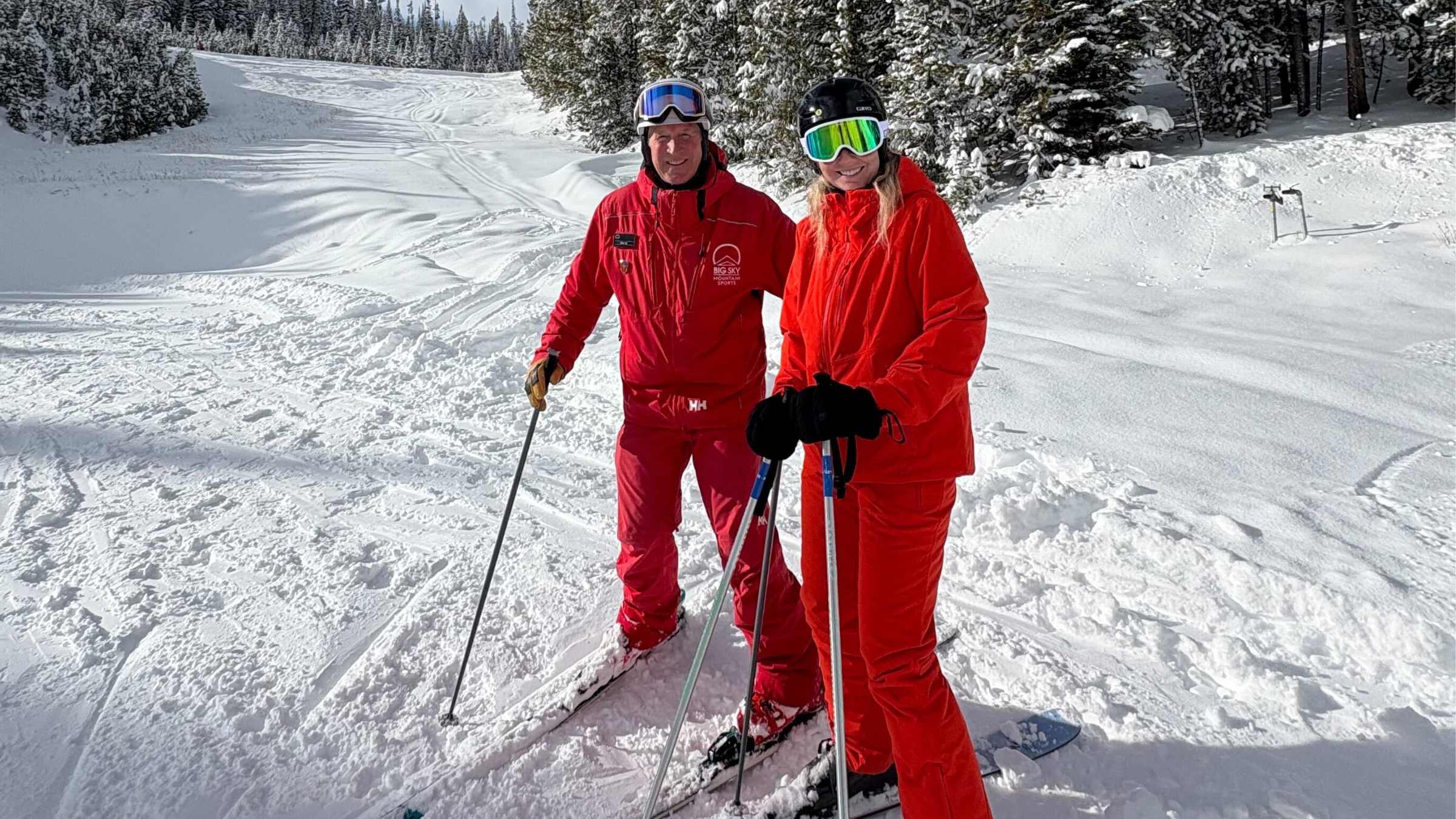
I can’t stress this enough: Hire an instructor. It doesn’t have to be a private lesson, and it doesn’t have to be all day, but if it’s your first time, it’s worth it. I have tried cross-country skiing in the past and elected to go it alone, without professional help. I drove home that day with bruises all over my backside and tears drying on my cheeks.
That experience left me full of anxiety about downhill skiing and how hard it would be. In fact, I had a truly amazing time, and I credit that to having an experienced instructor. My day at Big Sky with Mikulich was fun and challenging (but never tough or scary), and I left the lesson feeling invigorated and excited about discovering a new potential hobby. I learned a lot, I skied a lot, and Mikulich supported me the whole way. Like any good instructor, he checked in with me every time we tried something new or different, he stuck with me throughout the day, and he helped me judge whether I had the stamina to keep going.
“It’s a safety thing,” says Mikulich. “An instructor’s going to move you at your own pace, and you learn how to do the stopping, turning, those crucial things that keep you safe out on the mountain.”
And don’t rely on a loved one to be your instructor. Just because they know how to ski doesn’t mean they know how to teach someone to ski.
