
No products in the cart.
Fitness Tips
Drivers In 5 Southern States Face Summer Speeding Crackdown

16
Jul
Jul
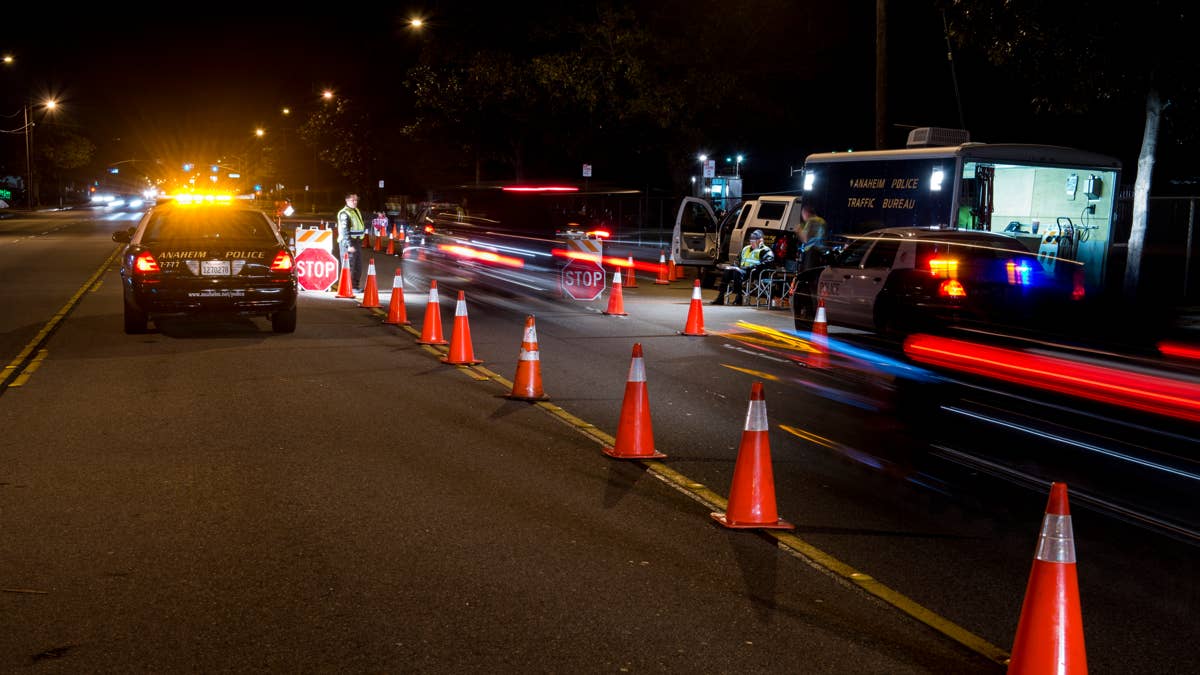
Every year, five southern states crack down on speeding: Alabama, Florida, Georgia, South Carolina, and Tennessee. As part of the 100 Deadly Days of Summer, the states each work to curb excessive speeding on highways through more stringent traffic enforcement.
For drivers, that means more cops monitoring speeds on highways in these states. According to a AAA study, the 100 days between Memorial Day and Labor Day are particularly deadly for teen drivers: across the US, 13,135 people have been killed in a crash involving a teen driver between 2019-2023.
Getty Images
“Summer months are particularly dangerous as more young drivers hit the road during school breaks with many logging more unsupervised driving time than usual,” said Jake Nelson, Director of Traffic Safety Advocacy and Research at AAA. “We encourage families to take advantage of AAA resources like our driver education classes and parent-teen safe driving agreements to help set clear expectations for driving privileges.”
On the law enforcment side, the South Carolina Department of Public Safety says that “Highway Patrol troopers and State Transport Police Officers, along with local law enforcement partners” will concentrate education and enforcement on interstates and state highways. Other states are doing the same.
At least in South Carolina, the DPS did not offer specific guidelines as to what will constitute speed enforcement. Generally, there’s a bit of discretion involved in policing speeding – nearly everyone does it. The key word here is “excessive.”
The National Highway Traffic Safety Administration (NHTSA) says drivers can do the following to mitigate the risk of accidents as a result of excessive speeds.
- The necessary stopping distance quadruples every time a driver doubles their speed.
- Allow more stopping time for bigger vehicles, or when traveling downhill on wet or uneven pavement.
- Apply the brakes before entering a curve.
- Set a good example for young drivers by driving at the speed limit.
- If speeding drivers are following too closely, allow them to pass.
- Always wear a seat belt.
Source link
