
No products in the cart.
Outdoor Adventure
Is the Sony RX1R III Worth $5100?

15
Jan
Jan
Published January 14, 2026 03:28PM
Choosing between camera size and image quality has always been one of the principal challenges in the photo world. Bigger cameras house bigger sensors that drink in more light and capture more resolution. Smaller cameras have smaller sensors that can’t compete—but they’re much easier to haul into the backcountry or on international adventures. It’s a given that you have to choose to prioritize one strength or the other; you can’t have both.
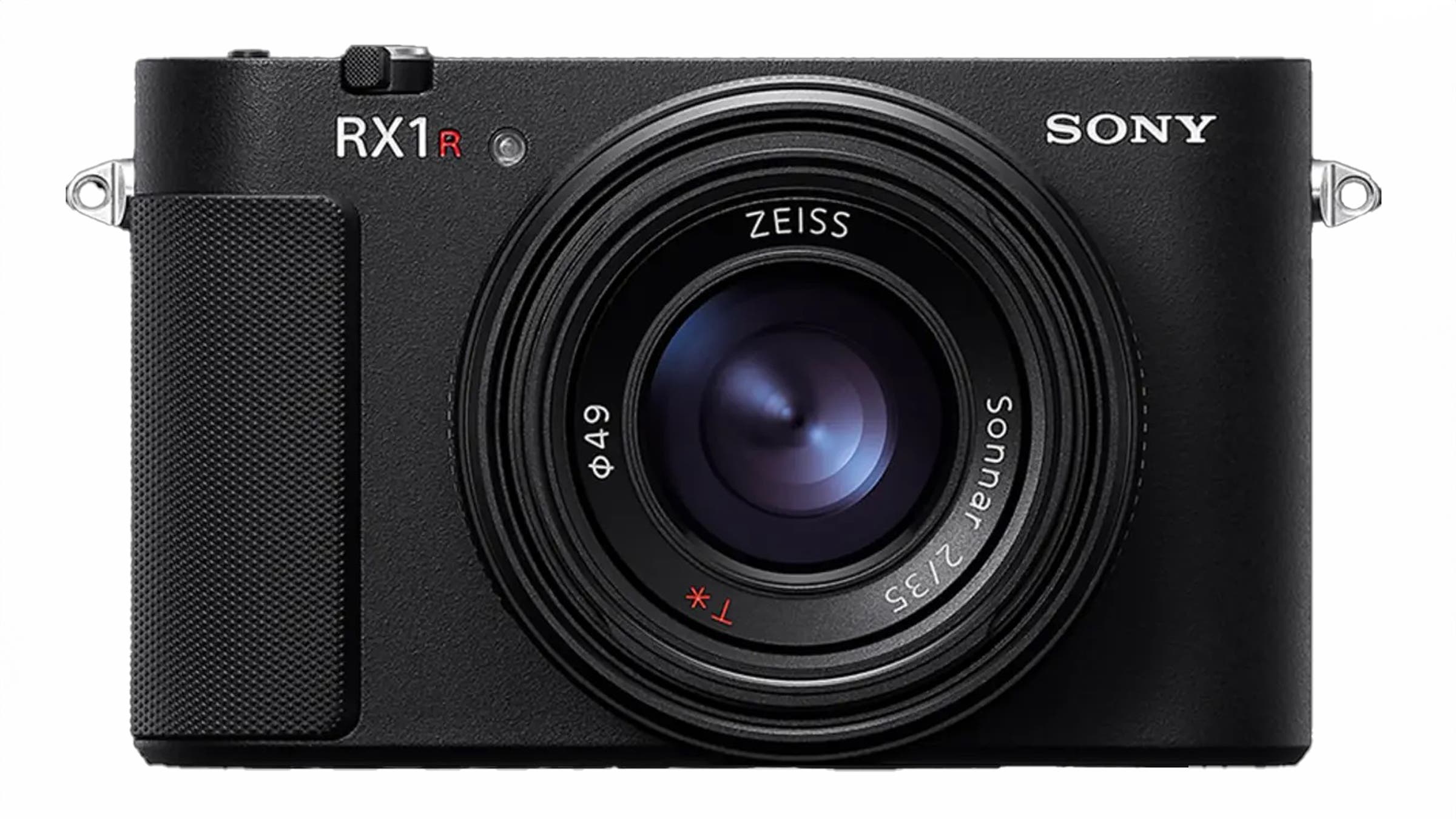
Which is why Sony caught a lot of people’s attention when it recently launched the RX1R III. At just one pound and 4.5 inches long, the RX1R is about half the weight and size of most high-end mirrorless cameras, but it’s packed with many of the current top-shelf features, including a fast 35mm F2.0 lens and the same full-frame 61-megapixel sensor as Sony’s flagship A7R V.
Sony RX1R III
Who It’s For
- Weight-conscious adventurers who need to move fast, far, and light without sacrificing image quality.
- Photographers who want the highest-resolution sensor available, in a tiny package.
- Professional photographers who can justify the price as a business expense for a camera that is always at hand to capture images they would otherwise miss.
My Review of the Sony RX1R III Digital Camera
On first glance, the RX1R III is the perfect Goldilocks camera. But then you see the whopping $5K price, which is a good chunk more than what you would pay for a more versatile, but larger and heavier, full-frame mirrorless/lens setup from Sony, Canon, or Nikon. Conventional wisdom about construction projects states, “Good, fast, cheap. Pick two.” A similar rule seems to hold true in the camera world: it is possible to have both small and high-quality, but definitely not small, high-quality, and cheap.
Curious to see if the RX1R III is worth the price, I called one in and have been testing it for the past several week relying on my 15 years of experience as a professional photographer to suss out what Sony nailed and where the camera needs improvement. What follows is a breakdown of all the features and my recommendation for the kind of photographer who might benefit most from this clever but expensive new box.
Big Sensor, Big Resolution
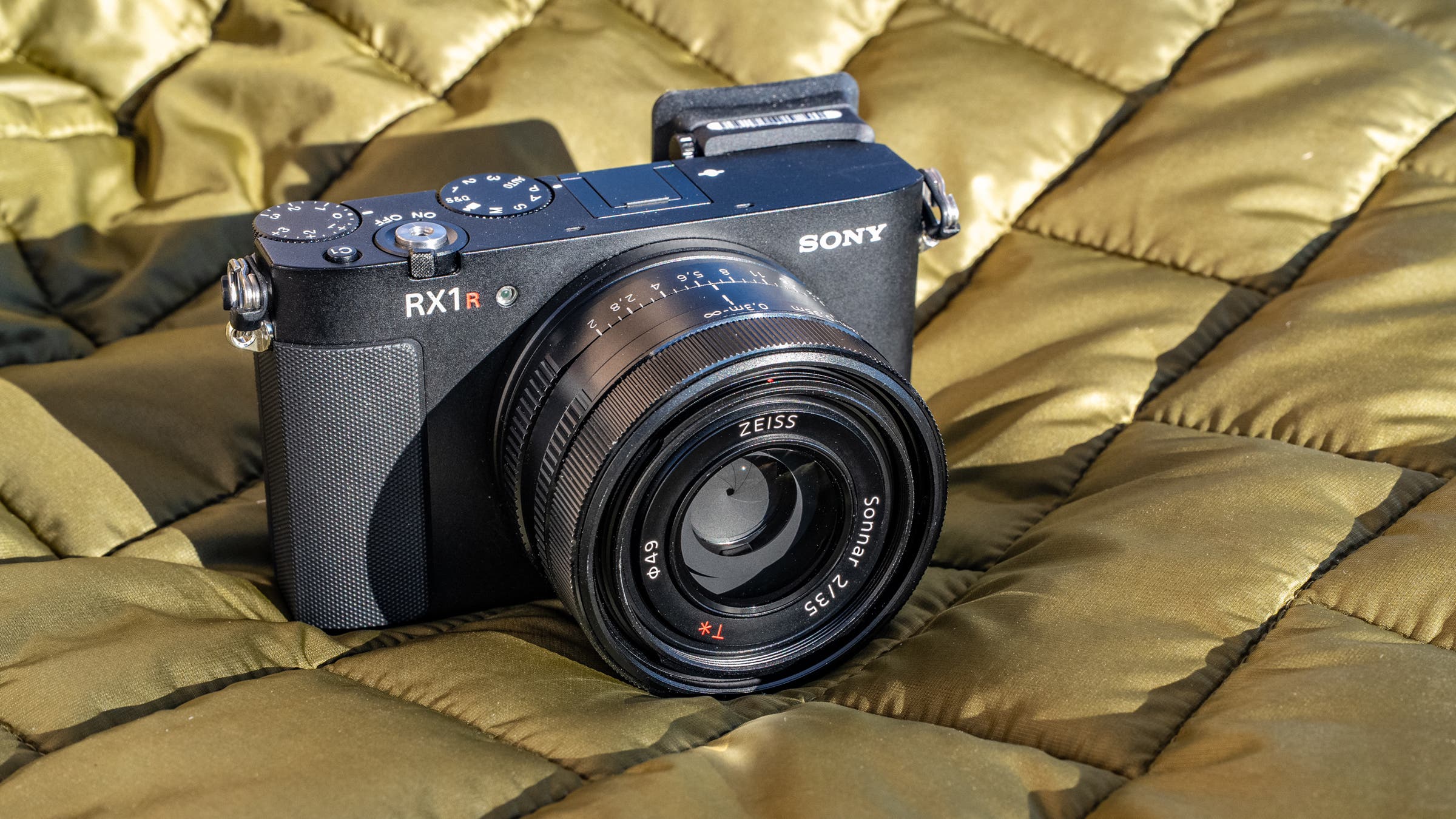
The 61-megapixel sensor in the RX1R III is the highest-resolution sensor Sony makes. Professional photographers who specialize in magazine, product, and portrait photography have long used this sensor (in the Sony A7R V) because it produces some of the sharpest and most detail-rich photos you can find.
Having that same resolution in a camera that fits in the water bottle holder on a running vest, a ski jacket pocket, or a small travel sling is nothing short of groundbreaking. Now, sports and travel photographers can always have a camera at hand that will deliver the highest resolution, without being weighed down on long days.
To test the resolution of these files, I dragged some into Lightroom, blew them way up to look at the fine details, and toned them in severe ways to bring down highlights or bring out shadows. The files never fell apart and I was always impressed with the clarity and depth. There is a noticeable difference in overall sharpness and image resolution compared to the files from similar-sized cameras with smaller sensors..
All that said, I do have two niggles about the giant sensor. First, a smaller, full-frame sensor would still capture images high enough quality to grace the cover of Outside magazine but allow Sony to reduce the price. And second, if you’re producing thousands of full-size photos on the RX1R III, you’ll have to invest in large and pricey CF cards, large hard drives, and a fast computer.
A Smart Lens Choice
Sony went with a fixed 35mm Zeiss lens because it fits well with the body and keeps the overall form factor small. By using a fixed lens, instead of a zoom, they were also able to offer a fast F2.0 aperture that’s great for low light and shallow depth of field.
Some people will hate not being able to swap in other lenses, but I think 35mm is a highly versatile focal length and perfect for a compact sports and travel camera. At 35mm you can easily capture a skier, runner, or cyclist during peak action with a certain amount of intimacy while getting enough background to create context, without the distortion of a wider lens, like 24mm. A 35mm lens isn’t the go-to portrait length, but if you use it correctly, you can get close to the subject while capturing them and their background.
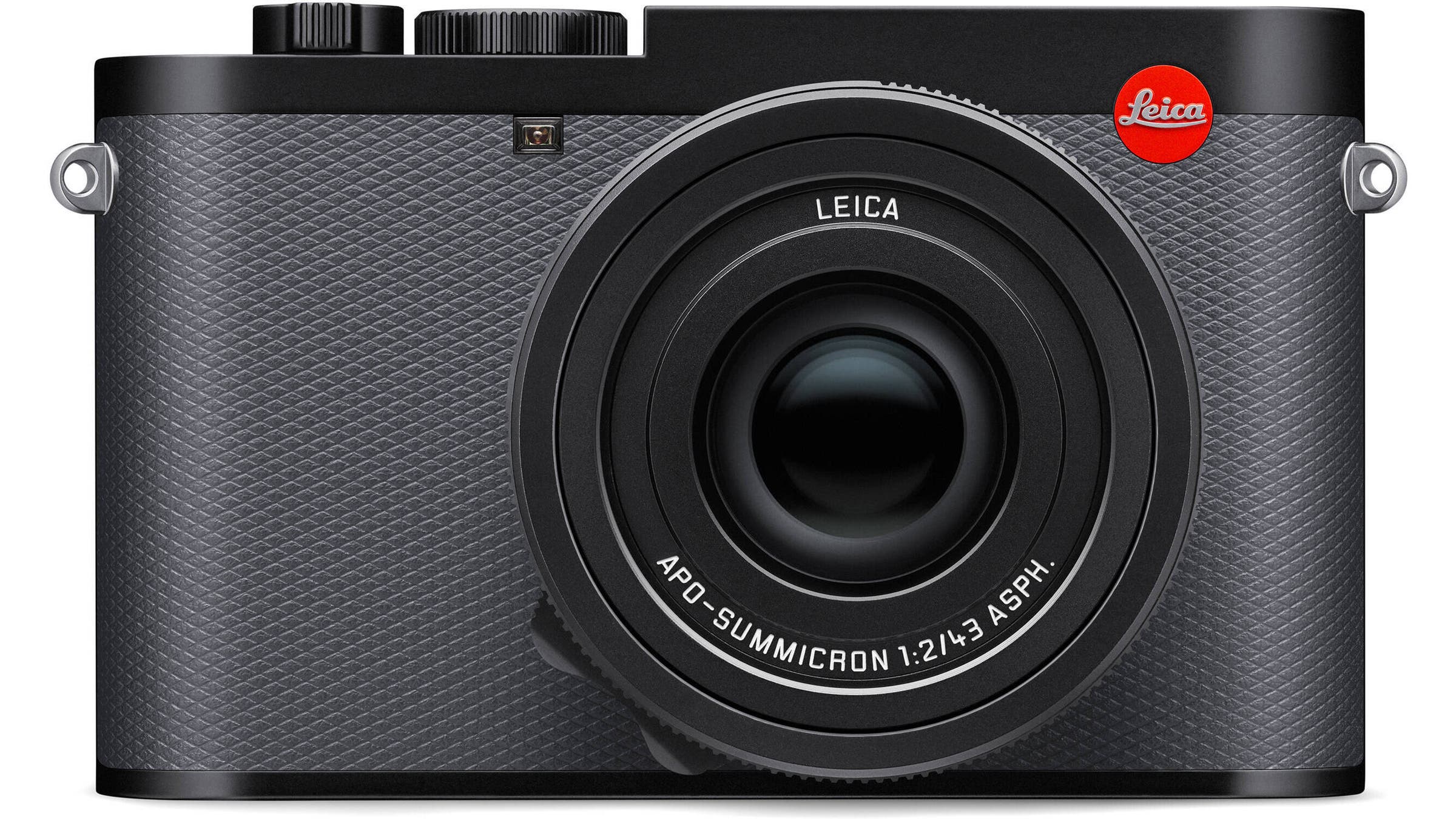
The closest fixed-lens competitor to the RX1R III is the Leica Q3 series, which comes with either a 28mm or 43mm lens. Both lenses are exceptional, but miss the mark because 28mm is too wide and can create distortion if you’re not careful, and 43mm is too narrow in many instances where you want to frame a subject with its background.
Anyone who’s shot with a lens that goes to F2.0 knows it’s a giant step over a lens that only goes to F2.8. You can create a much shallower depth of field, which makes subjects pop, and that extra stop allows you to shoot at dusk, or even at night, without cranking the ISO so high you start to get noise.
While the files I shot with the RX1R III lens were not quite as sharp as what I’ve seen come out of the Leica Q3s or some of Sony’s really high-end mirrorless lenses, you have to look really closely to notice any real difference. And to get the extra-fine Leica or Sony lens quality, you’re going to pay even more than $5,000.
Autofocus
Thanks to help from AI, the RX1R’s autofocus is smart and fast. It will recognize a wide variety of subjects—human, dog, car, plane, etc.—lock on and ensure your subject is in focus even if it is moving fast. No one is going to use the RX1R III to shoot the NFL (given the lack of zoom), but photographers who want to shoot from the bike will be impressed with the camera’s ability to track moving subjects. If you’re backcountry skiing, it will be easy to pull the camera out of your chest pocket, set up down the run, and capture a skier at the peak of their turn.
Ergonomics
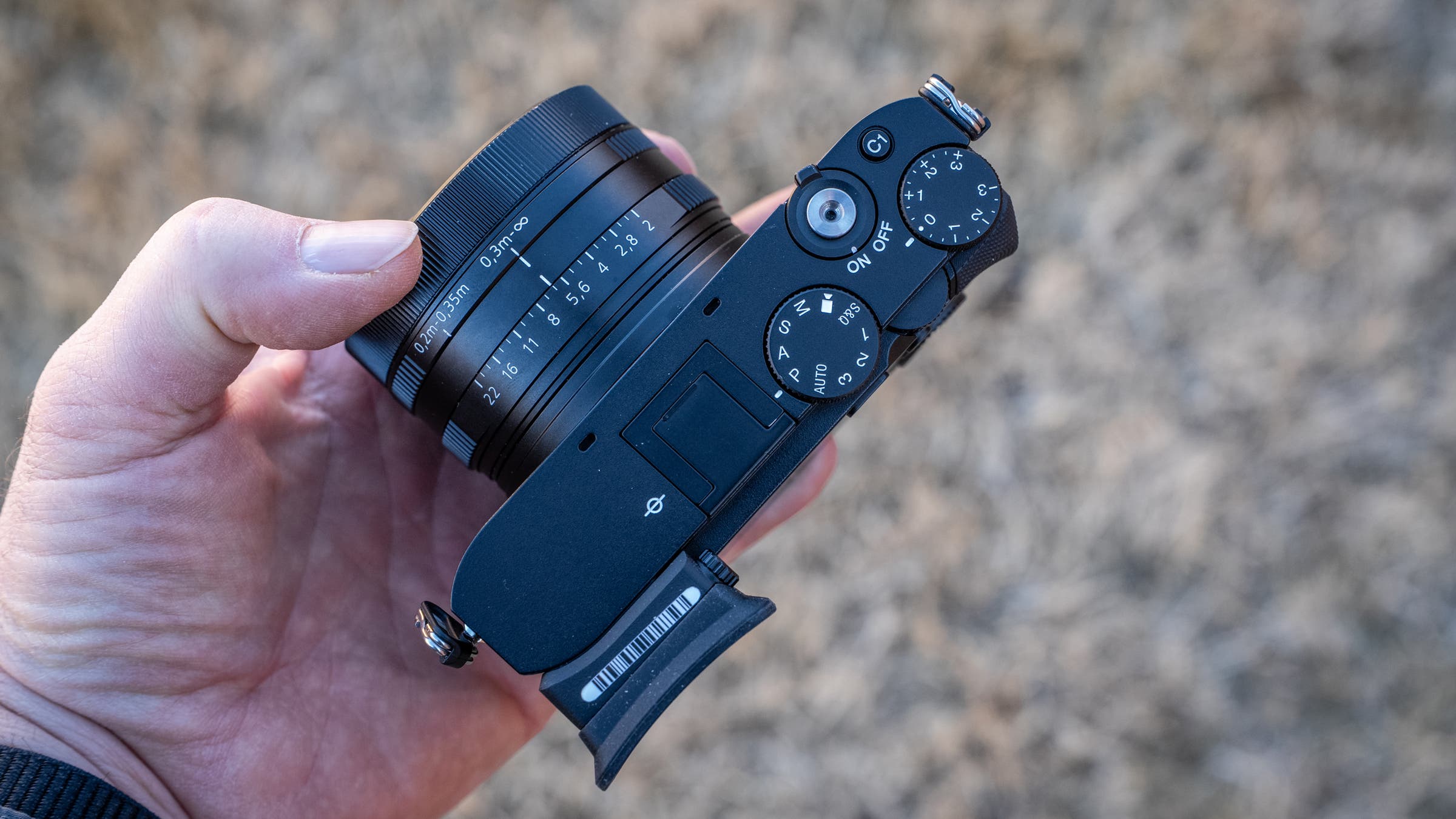
When it comes to ergonomics, on the plus side, you can customize the RX1R III’s back buttons however you like, and there’s a manual aperture ring on the lens, which is a nice touch.
The RX1R III, however, is no fun to hold. There’s a tiny grip on the right side that gives you a little stability, but that’s it. For $300, you can buy a Sony-branded thumb grip that slides into the flash hotshoe (or get a $40 Amazon knockoff), but it only improves your handhold marginally. The eyecup you look through blocks out ambient light and helps steady the camera against your face, but I would never use the camera without the strap around my neck for fear of dropping it on the ground or over a cliff.
I’ve heard complaints about the low-resolution viewfinder that’s not as sharp as what you’ll find on other high-end Sony cameras, but I found it still plenty sharp to see what I was capturing.
These downsides will make some people shy away, but I don’t blame Sony, because there’s no way to create an ultra-small camera that still holds and functions like a full-sized mirrorless. When I was shooting with the RX1R III, I overlooked the ergonomics because I was too focused on taking a photo and continually tickled that the thing was so, damn, tiny.
Should You Buy the RX1R III?
The audience for the RX1R III is specific and small: anyone who needs to move fast, far, and or light and wants the highest-resolution sensor they can cram into their pocket. If photo resolution, the ability to print your photos, and file quality matter, then this camera is easily worth $5,100. If you use the camera for assignments that generate income, and can capture images you otherwise would miss, the price tag might even seem reasonable.
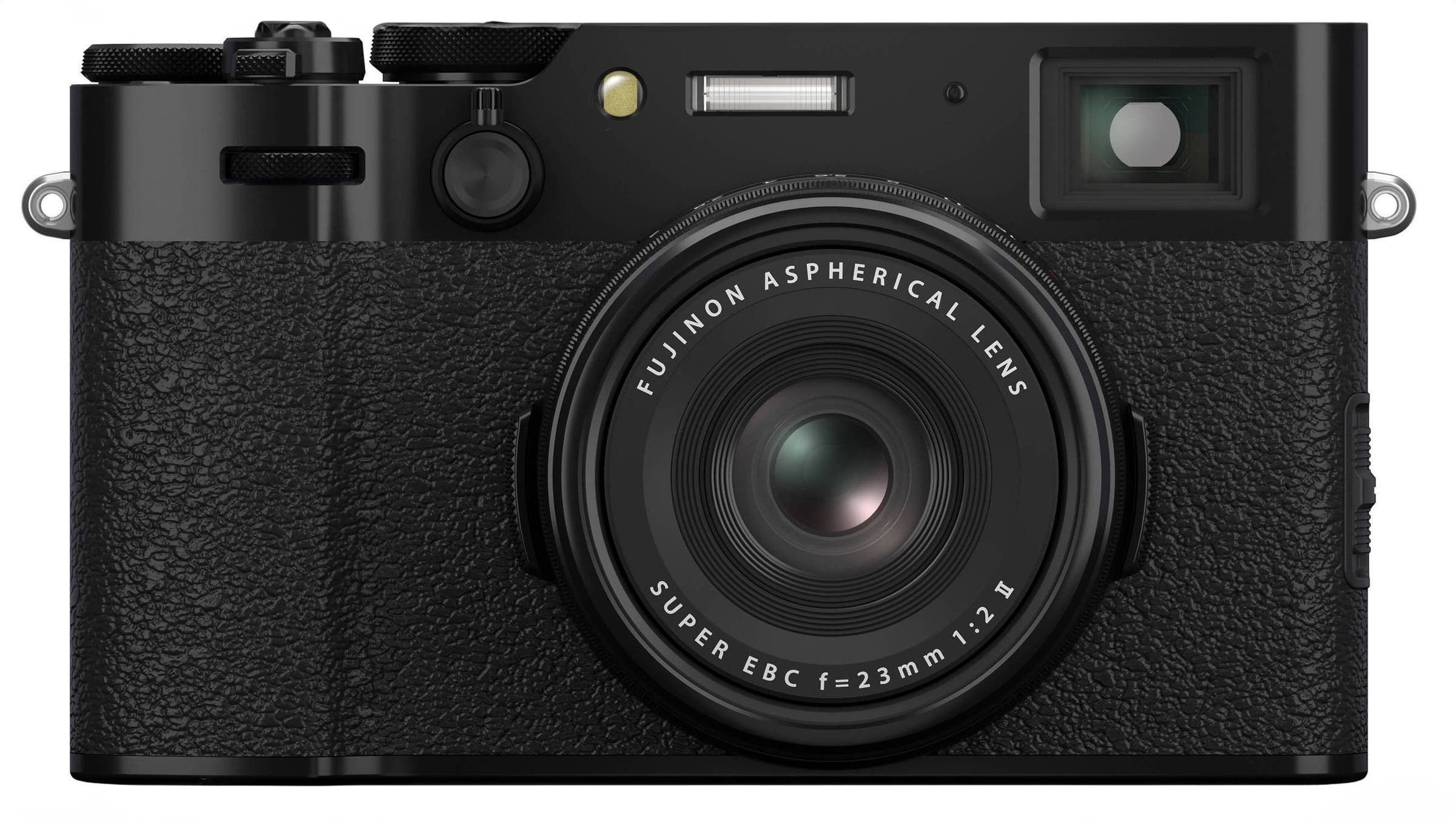
If five grand is too much and you don’t need a giant sensor, check out the first two similarly designed cameras I’ve listed below. If portability matters above all else, the newest iPhone Pro is always a good choice.
Three Other Small Digital Cameras to Consider
Fujifilm X100VI
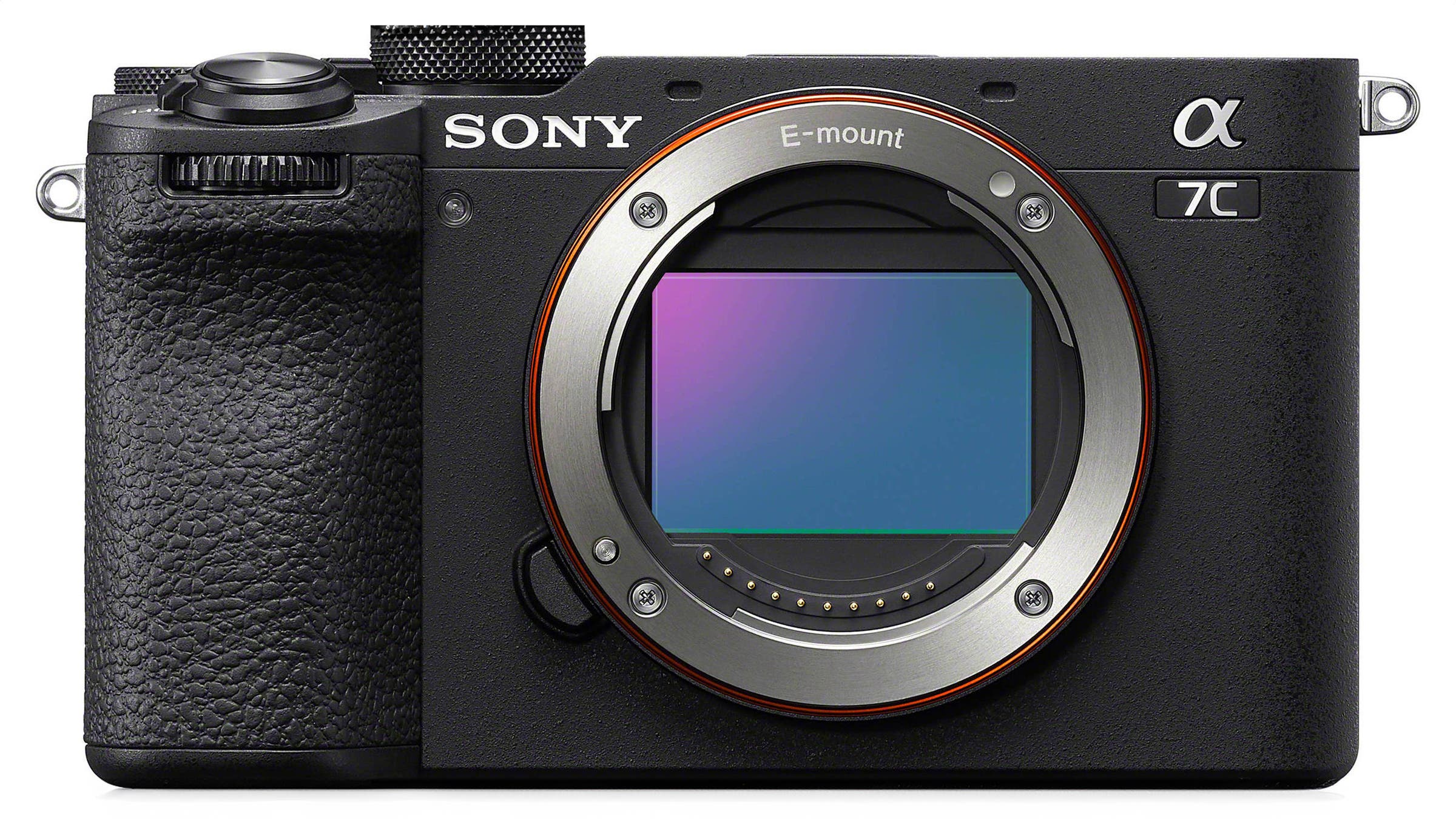
Sony a7C II
Leica Q3 43
Source link
