
No products in the cart.
Outdoor Adventure
Katie Verderber, From Paralyzed to the Paralympics in Two Years
12
Mar
Mar
Published March 11, 2026 04:01PM
On the morning of October 3, 2023, Katie Verderber couldn’t get herself out of bed. From the belly button down, her lower body had suddenly stopped responding.
“I remember lying in the bed just thinking, things are eventually gonna wake up,” she told Outside. Verderber, 35, spent the previous year in severe and debilitating pain, slowly losing function of her lower extremities.
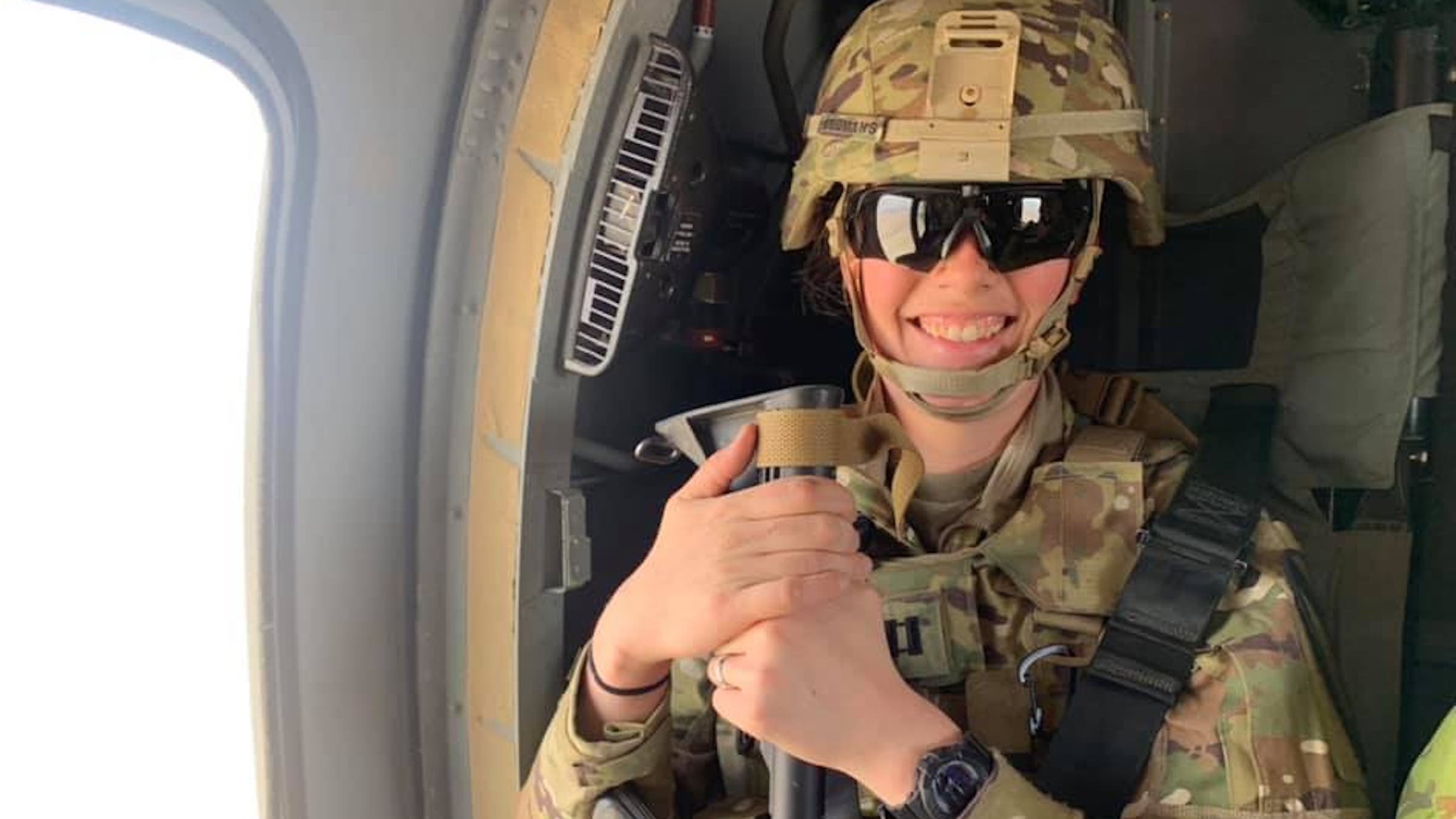
While serving as a U.S. Army attorney in Afghanistan in 2019, Verderber suffered an injury that compressed her lower spine. She could still walk, albeit painfully. But the issues in her back worsened over time, and she says that the trauma to her spine never healed properly.
October 3 wasn’t the first time she had trouble moving. In June 2023, a month after her wedding, Verderber says she woke up in so much pain that she couldn’t get out of bed. She recalled going to Lake Inez with her new wife at their Montana home that summer—she couldn’t lift herself off the jet ski.
“At that point, it started seeping into my brain. What is happening to me?” she said. “I knew things were bad. I didn’t want to process it. I didn’t want to focus on the things I wasn’t able to do.”
That October morning, however, would be different. Verderber’s wife, Danielle, rushed her to the emergency room for what they thought would be yet another surgery. After two weeks in the hospital, doctors officially diagnosed Verderber as a paraplegic. She would spend the rest of her life in a wheelchair. Sometime between February and April of that year, the doctors said, Verderber’s spine had been completely cut off from her T10 level down, a spinal region located around the belly button. With no blood flow or oxygen getting into her nerves, her lower body slowly deteriorated.
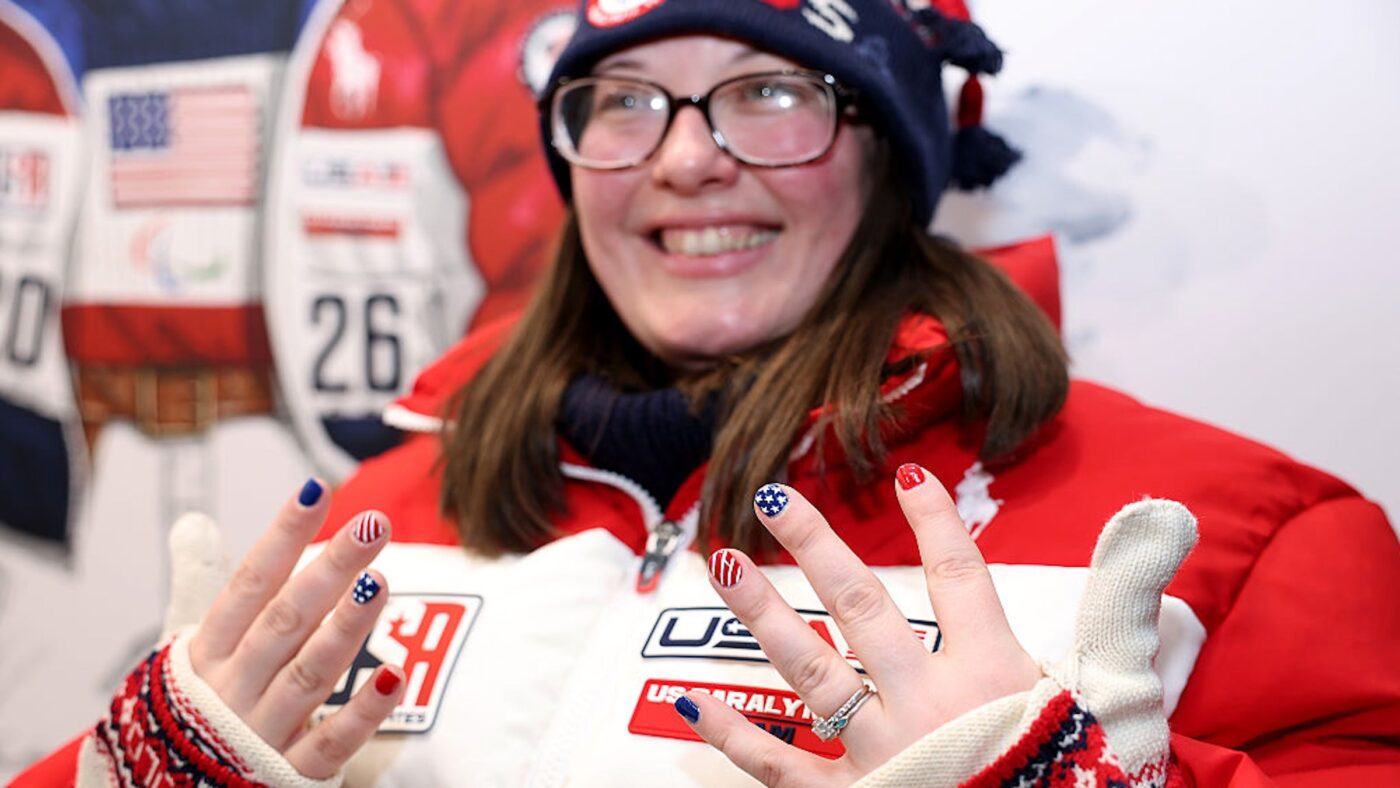
Now, two years later, Verderber is representing her country as a Paralympian on the wheelchair curling mixed team. It’s a shift from her helicopter-soaring Army days, but one that she says brings equal pride.
Like curling, wheelchair curling is played on standard ice with 40-pound granite stones. Competitors use a specialized pole, or “delivery stick,” to push these stones to a targeted area. Unlike curling, though, wheelchair curling doesn’t use a sweeper to clear the ice.
Verderber says she came into the sport in a roundabout way. She grew up skiing in Montana, and with a nonprofit called Dream Adaptive, she redirected her energy toward adaptive skiing.
“They took me down the mountain on my skis, and I was hooked,” she said. “I found happiness and a little bit of joy for the first time in what had been a few dark months. I was determined to ski every weekend.”
That love of skiing brought Verderber to an adaptive winter sports gathering in Aspen, Colorado, shortly after her diagnosis. While there, the coaches encouraged her to try curling. During her first few stone throws, a former national coach asked if she was interested in becoming a Paralympian.
“I told him to go pound sand, which, in military terms, is not nice,” she said. Verderber is a full-time attorney with the State of Montana, and adding another time-consuming gig didn’t fit with her schedule at the time.
But the coach was persistent, and eventually, Verderber joined Team USA. As of this publication, the U.S. Mixed Team has a two-to-three record in round-robin play and is actively competing. Two more matches are set through March 12.
Verderber says that what helped her through the darkest days was her community and love of the outdoors. She now lives in Helena, Montana, on five acres of land with her wife and four dogs. They still get outside, she says, it just looks a lot different now.
“Being in nature, whatever it may be, it’s healing for anybody. Certainly for me, it’s been so much more than that; the peace, the joy, the little bit of semblance of normalcy,” said Vederber. “It’s not that people with disabilities or in a wheelchair are not normal, because we’re just like everybody else. These moments just mean so much more now than they ever have before.”
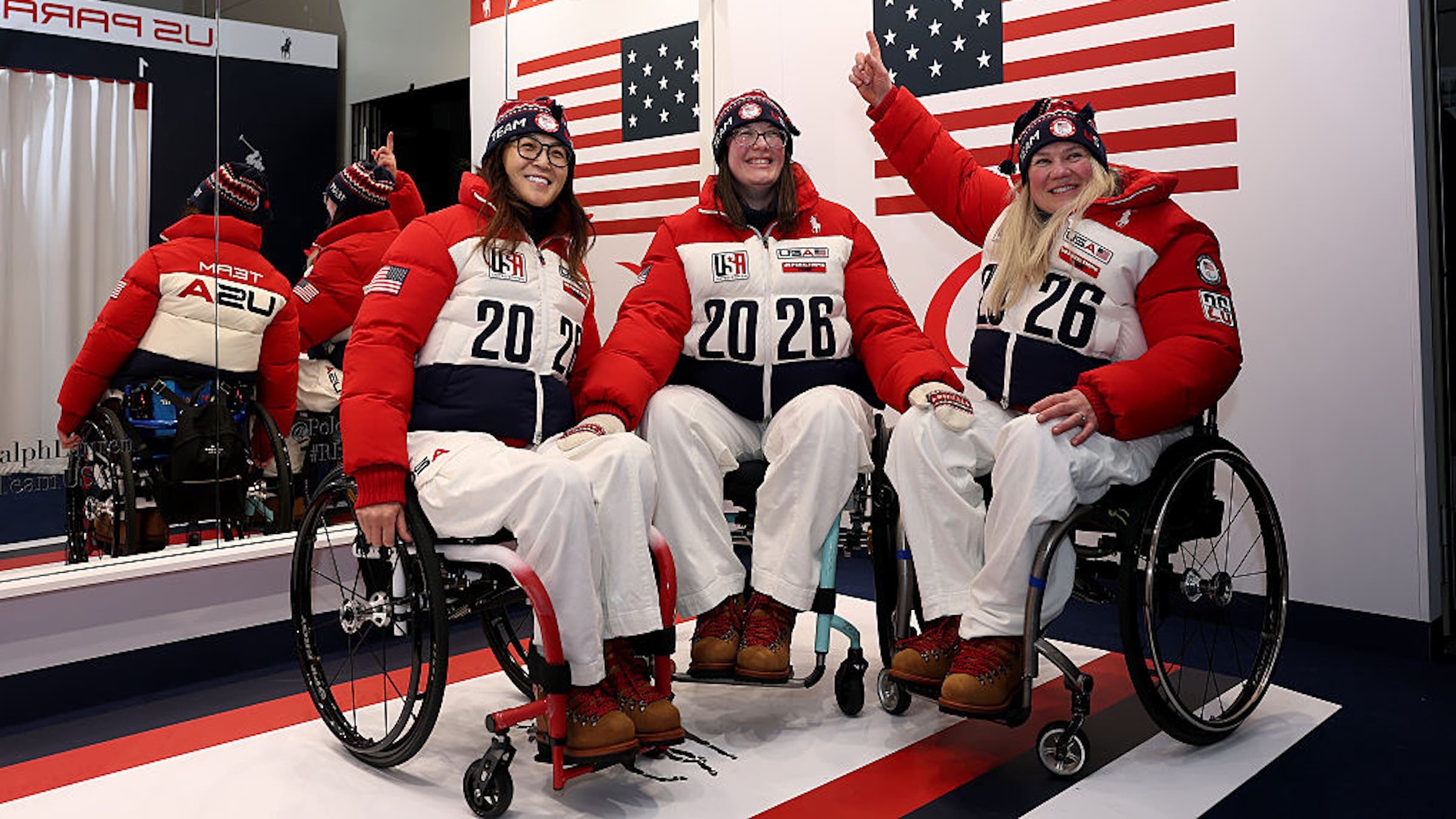
Being told that she would never walk again brought up many difficult emotions, she said.
“For me, the things I clung to were being able to know I could still be outside. I can still do these things that I’ve loved—it’s just going to look a little different,” said Verdeber. “It’s been a challenge and a learning process throughout the way.”
Even as a Paralympian, Verderber says she still has bad days, days when she is angry about being in a chair. “You don’t have to have it all figured out, and you don’t have to stop grieving to take the next roll forward,” said Verderber.
But representing her country on a global stage now takes on a different meaning, one she hopes inspires others going through traumatic injury to continue persevering.
“If you have a disability, it’s scary, and it’s hard, but it can change your life in so many ways. Opening that next chapter and turning the page doesn’t mean you have to stop grieving. The other piece is, man, you don’t have to do this alone,” said Verderber. “On the days that I didn’t want to get out of bed, my army of people has been behind me and pushing me and literally carrying me up the stairs every step of the way.”
Source link
