
No products in the cart.
Fitness Tips
National Weather Service Warns of More 'Heavy' Snow
15
Dec
Dec
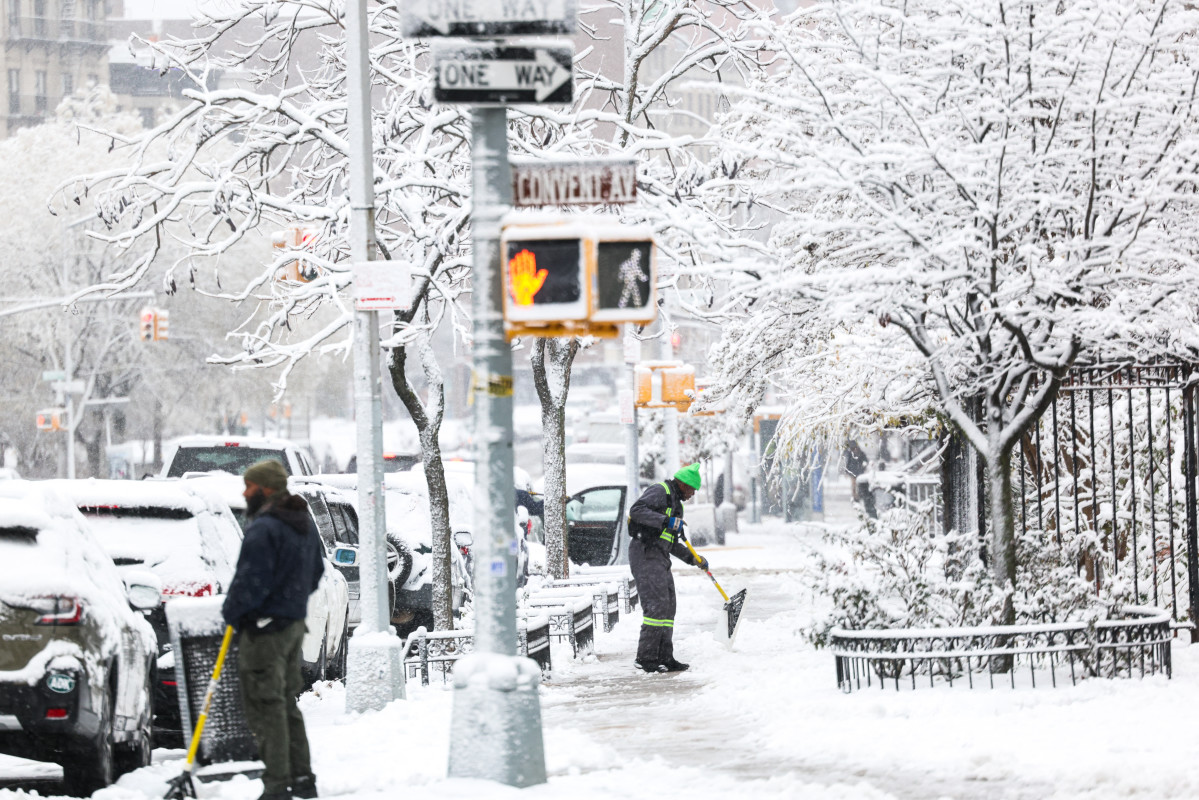
Much of the country was hit hard by a winter that brought well over 20 inches of snow to some areas. Now, it sounds like some areas will still be getting more.
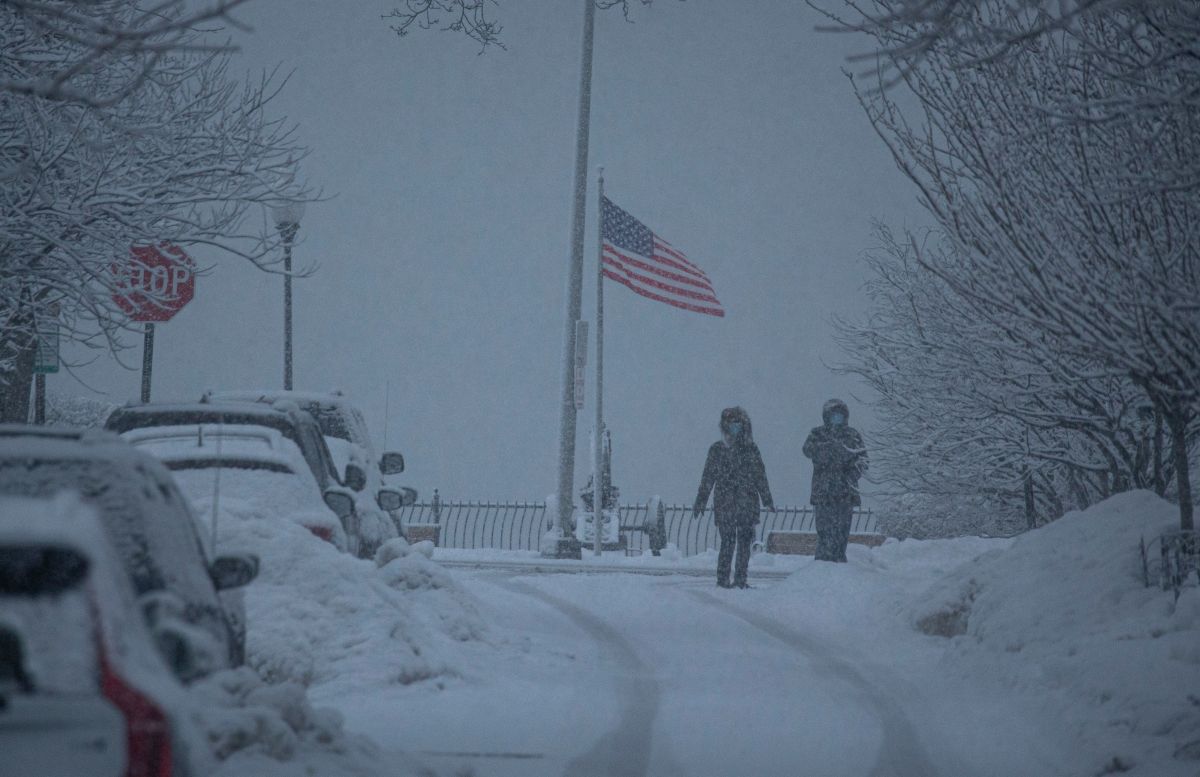
Shortly after the latest winter storm rolled through parts of the northern United States, the National Weather Service (NWS) warned that one part of the country was still at risk of some “heavy” snow even on Monday.
Heavy Snow Rolls Through
Heading into the weekend, the NWS issued winter weather warnings and advisories that spanned 19 states plus Washington, D.C., covering areas from the Rockies and Midwest to the Great Lakes, Northeast, and mid-Atlantic regions.
States impacted by the heavy winter weather were Alaska, Iowa, Maryland, Michigan, Montana, Nebraska, North Dakota, Ohio, Pennsylvania, South Dakota, Virginia, and West Virginia.
Several areas of the country received more than four inches of snow, while others received as much as 20 inches, prompting “stay inside” warnings from the NWS, especially as chilly temperatures followed.
It's been a snowy 24 hours from parts of the Midwest to the Northeast. Here are the latest snowfall reports sent into the local National Weather Service forecast offices as of this morning. How much snow did you see? ☃️🌨️ pic.twitter.com/jEiM9glozc
— NWS Weather Prediction Center (@NWSWPC) December 14, 2025
More Snow and Winter Weather Coming
This was the second major snowstorm that many of these regions were hit with in the span of just a few days. However, it sounds like this was just the beginning for some areas.
On Sunday afternoon, the NWS warned that some areas east of Lake Erie and Lake Ontario will continue to receive “heavy lake effect snow” on Monday, while a windy cold front will begin to move through the Pacific Northwest.
“Heavy lake effect snow continues into Monday east of Lakes Erie and Ontario. In the Pacific Northwest, the first of two Pacific cold fronts will cross the region Monday early followed by another front and an atmospheric river later this week. Each of these features will bring periods of gusty winds and heavy to excessive rainfall with potential for renewed urban and riverine flooding,” the National Weather Service wrote in a post on X on Sunday.
Needless to say, it sounds like many Americans will need to continue to prepare for winter weather even after a snowy weekend. For many, this will mean continuing to stay warm and stay inside.
If you have to travel outside, the NWS urges everyone to dress in warm layers and cover up exposed skin. If you have to drive, the NWS urges everyone to try to stick to main roads and highways as much as possible and avoid back roads, as they may not have been cleared yet.
