
No products in the cart.
Outdoor Adventure
The Feds Are Flagging These Sensitive Topics from National Parks
11
Mar
Mar
Published March 11, 2026 05:32AM
National Park Service (NPS) staff have flagged for review hundreds of displays, signs, and brochures at sites across the United States. It’s part of President Trump’s executive order directing federal agencies to review how American history is portrayed across public lands.
On March 2, The Washington Post published details of a public database containing nearly 900 signs, placards, and publications at NPS sites targeted for removal. According to The Washington Post, the publication vetted the information with current federal employees. The dataset includes historical accounts of racism, sexism, climate change, pollution, slavery, and other topics.
“The administration’s orders to censor history and science at America’s national parks continue to sow chaos and confusion across the country. This database makes it clear that dedicated national park staff are facing enormous pressure to police park exhibits and report any materials that the administration may seek to hide from the American people,” Alan Spears with the National Parks Conservation Association said about the findings.
“National park rangers are some of America’s most beloved public servants. They signed up for this job to protect national parks and provide Americans with once-in-a-lifetime park experiences, not participate in a government censorship campaign.”
The revelation of the database comes amid the Trump Administration’s wider targeting of monuments, memorials, and statues for removal. The March 2025 order required officials to ensure that sites do not contain content that “inappropriately disparage[s] Americans past or living.” (A state-by-state guide of all signs known to have been removed can be seen here.)
Among the signs flagged are those referencing sea level rise along the Florida coast. A memorial to Emmet Till, a 14-year-old Black child killed in Mississippi in 1955, and messages of the 1864 Sand Creek Massacre are just a few other examples.
According to The Washington Post, the database of signs and placards targeted by the NPS was compiled by a collection of anonymous individuals who described themselves as “civil servants on the front lines.” On the database website, the publishers wrote that the data “belongs to the American people, who need to know what is being done in their name.” The move to remove signs, they add, is an attempt to “use your public lands to erase history and undermine science.”
Outside reviewed the database, which contains 879 entries across more than 100 NPS sites. While some signs were flagged for being in poor condition, others contained historically accurate language that runs afoul of the Trump Administration’s March 2025 order.
Many of the flagged contents encompass multiple categorical topics. Below are the most prominent themes.
LGBTQ+
Sunset Crater Volcano National Monument in Arizona: A picture showing a visitor holding a Pride flag in an indoor exhibit was flagged.
Slavery and the Civil War
Gulf Islands National Seashore in Florida: At least two publications that mentioned stories of enslaved persons were flagged for review. Also included were waysides, or plaques, telling histories of the Civil War, including those titled “Dueling with Confederates,” “Jim Crow and Segregation,” and “Blacks Join Union Army.” While NPS staff wrote that these signs may be interpreted disparagingly by certain visitors, they suggested keeping them as is.
Timucuan Ecological and Historic Preserve in Florida: The Jacksonville site interprets the history of slavery in Florida. NPS staff wrote that text may be considered disparaging to the U.S., including those describing the “horrid conditions the enslaved endured during their transport to the Americas.”
Fort Frederica National Monument in Georgia: Signs flagged included those that had language involving logging, the emancipation of Black people, and the British rights to sell enslaved Africans.
Monocacy National Battlefield in Maryland: As part of a renovation of the park museum, staff requested a review of a sign describing L’Hermitage, a large slave village that once housed 90 enslaved laborers in the 18th and 19th centuries.
Vicksburg National Military Park in Mississippi: Signs depicting the history of Vicksburg under Union occupation during the Civil War and Reconstruction were flagged, as well as a 2012 film describing legislation to promote Reconstruction. A 2008 panel titled “Slavery and Disunion” about the causes of the Civil War was also flagged.
Gateway National Recreation Site in New York: At least two exhibit panels in the Jamaica Bay Wildlife Refuge Visitor Center were flagged for review. Also flagged was a film about Colonel Tye, who was a respected guerrilla commander of the Revolution and one of the many enslaved Africans who escaped and fought for the British.
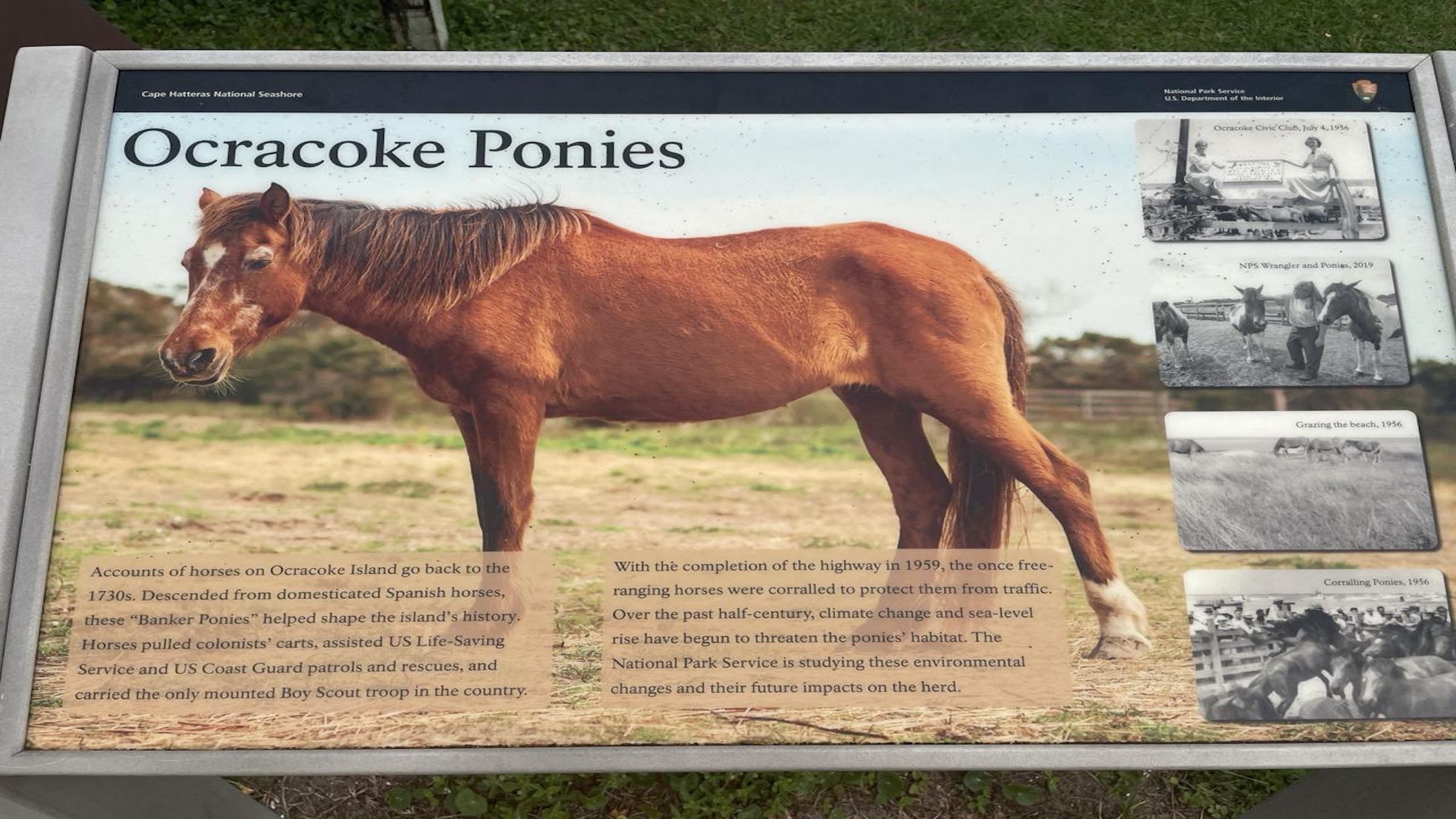
Cape Hatteras National Seashore in North Carolina: Dozens of publications, signs, plaques, and booklets were identified, including those referencing how light pollution affects sea turtles, booklets on emancipation and the cause of the Civil War, and the catastrophic impacts of Hurricane Dorian in 2019. Also requested for review was the “appropriateness of women pirates dressing like men.”
Carl Sandburg Home National Historic Site in North Carolina: A timeline flagged for review, with discussion of property owners and their contributions to enslavement and white supremacy.
Fort Raleigh National Historic Site in North Carolina: NPS staff flagged markers associated with the Freedom Trail, a 2.5-mile trail that highlights the history of the Freedmen’s Colony on Roanoke Island. Some of these signs reference slavery and the successes and failures of the Freedman’s Colony. Other languages flagged for review were those referencing natural resources.
Ninety Six National Historic Site in South Carolina: NPS staff flagged a book titled “Wives, Slaves, and Servant Girls: Advertisements for female runaways in American Newspapers 1770-1783” by Don Hagist. Staff wrote that it was doing soout of an abundance of caution.
Stones River National Battlefield in Tennessee: Exhibits addressing slavery as the primary cause of the American Civil War were flagged, including an illustration of enslaved people working in a field and signs designating Kentucky and Missouri as slave states.
Christianhead National Historic Site in the U.S. Virgin Islands: A collection of exhibits along the wharf describes slavery and the sugar industry. At least two videos were also flagged: a National Geographic documentary following scuba divers in search of shipwrecks associated with the slave trade, and another NPS documentary explaining the environmental history of Buck Island Reef.
Virgin Islands National Park in the U.S. Virgin Islands: Plaques addressing historical events related to the Danish West Indies, before the Virgin Islands National Park was established, were flagged. Also included for review were exhibits at the Annaberg Sugar Plantation, an 18th-century colonial site active during the Atlantic slave trade.
Cumberland Island National Seashore in Georgia: Dozens were submitted for review, including one that described an independent woman named Lucy who lived in the 1900s. Other signs discussed non-native plant species and the negative effects of feral horses, information about disease, enslavement, war, and colonization, and how government regulations protect delicate ecosystems.
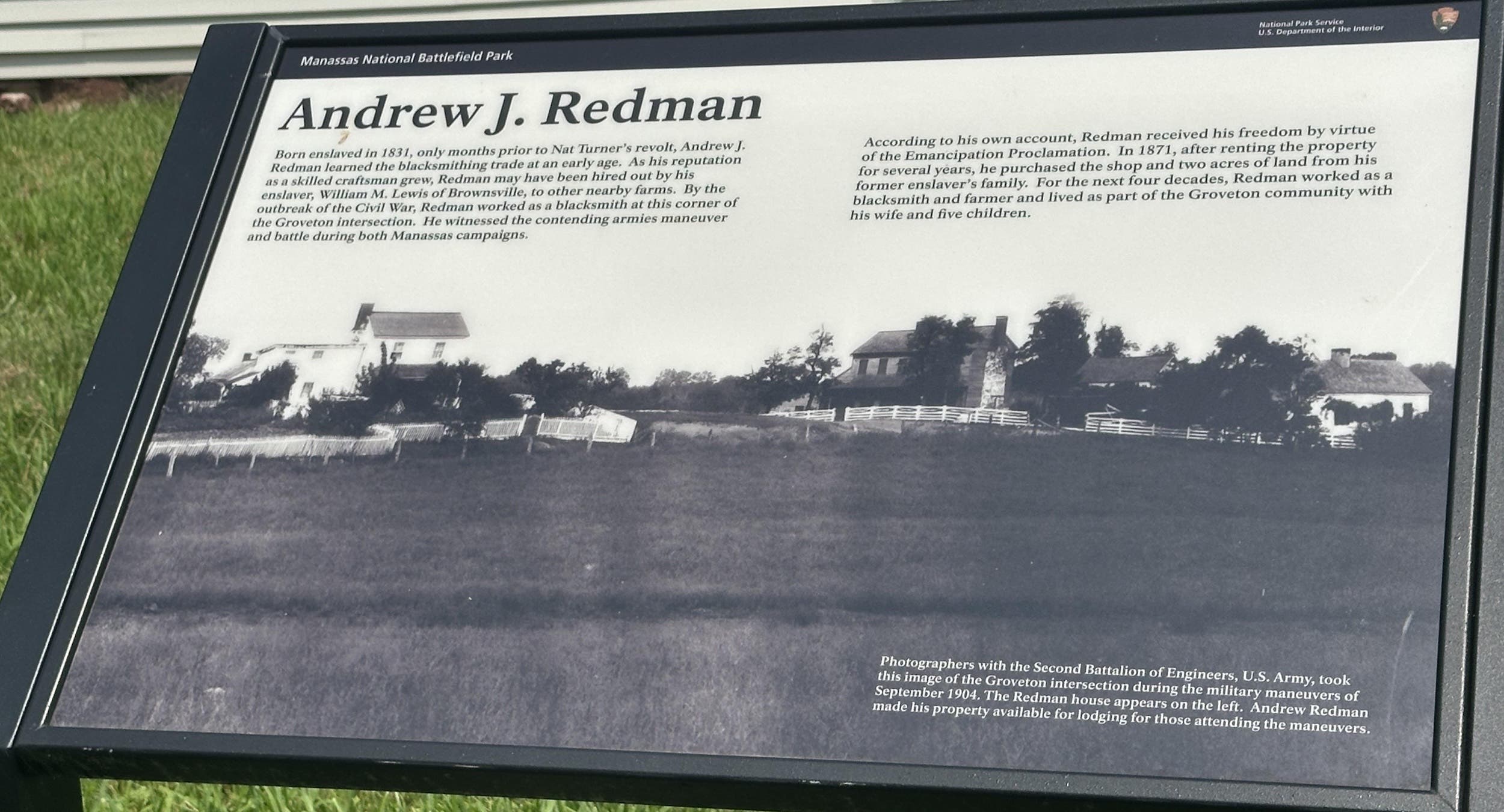
Manassas National Battlefield Park in Virginia: Products that discuss the Civil War, Fredrick Douglass, Black Reconstruction, Juneteenth, and emancipation were listed by book title.
Dayton Aviation Heritage National Historical Park in Ohio: Topics involving racist systems, the hypocrisy of the North’s treatment of African Americans after the Civil War, and how white authors exaggerated Southern dialect to portray African American characters as “unintelligent and morally bankrupt stereotypes.”
Ulysses S. Grant National Historic Site in Missouri: NPS staff submitted an 1868 political cartoon that makes powerful statements on a range of Reconstruction-era issues, including emancipation, race, racism, civil rights, and Grant’s vision for the country’s future.
National Mall and Memorial Parks in Washington, D.C.: Many signs were flagged as potentially being disparaged, including one that mentioned Franklin Delano Roosevelt’s paralyzed legs next to a wheelchair statue. More than a dozen other signs reference a former redlight district, the Civil War, and a presidential party abandoning a leaky ship and swimming to shore.
Reconstruction Era Historical Park in South Carolina: Staff wrote that they do not believe the exhibit inappropriately disparages any American, but did note that historically sound content about the Civil War, enslaved people, and the Emancipation Proclamation could be offensive to some.
Cane River Creole National Historical Park in Louisiana: Signs and brochures referencing the 1964 Civil Rights Act, the names of enslavers, and the regulation of enslaved people were flagged, among other topics related to slavery.
Independence National Historical Park in Pennsylvania: Thirteen panels at the President’s House Site were flagged, removed, and subsequently reinstated. These included content on enslaved people, the brutalities of slavery, and the Fugitive Slave Act.
Chickamauga and Chattanooga National Military Park in Georgia and Tennessee: Signs involving the causes of the Civil War, enslaved people, and the Battle of Chickamauga were flagged for review.
Blue Ridge Parkway in Virginia and North Carolina: Signs discussing the use of Blackface and Minstrel music in traveling circuses were submitted.
At least 17 other sites referencing slavery, the Civil War, and the Confederacy were also included in the list.
Indigenous Histories
Delaware Water Gap National Recreation Area in Delaware: A brochure mentions colonization and the 1737 Walking Purchase, a fraudulent land deal in which proprietors defrauded the Lenape people of 1.2 million acres in Pennsylvania.
Castillo de San Marcos National Monument in Florida: A brochure developed through a partnership with the Cheyenne and Arapaho Tribes. It tells the complete history, including tribal perspectives, on the 1875-1878 imprisonment of Plains Tribes warriors and leaders. Items describing Civil Rights in Florida, the 19th Amendment guaranteeing women’s suffrage, and the War of 1812 were also flagged.
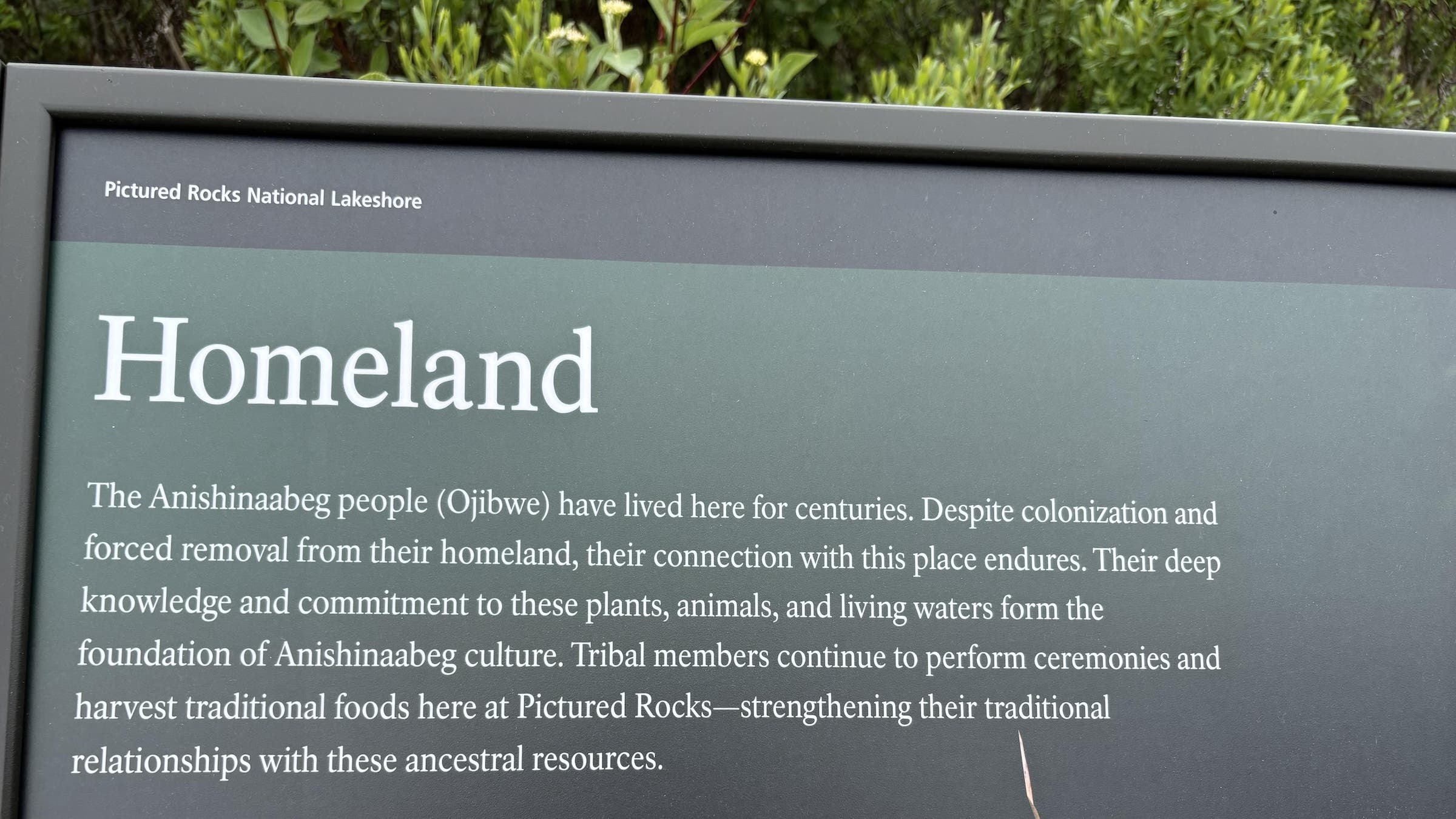
Pictured Rocks National Seashore in Michigan: A sentence on a newly installed exhibit references indigenous groups. It states, “Despite colonization and forced removal from their homeland, their connection with this place endures.”
Little Bighorn Battlefield National Monument in Montana: The Montana monument is finalizing text for new exhibits to be installed in a new visitor center. Managers flagged a number of sentences and content both for new and existing signs, including a line that described federal Indian boarding schools that “violently erased cultural identities and language in the children they were entrusted to educate.” NPS staff wrote that the language was specifically requested through tribal consultation and accurately reflects the conditions of boarding schools. As such, the staff was asked to keep the language written.
Fort Matanzas National Monument in New Mexico: Staff flagged a book titled “Native Americans in History” for sale at the site. The back cover includes a section on “Becoming a Leader” with the following text: “Learn how Sitting Bull led with spiritual guidance and a strong will, and how Tecumseh inspired warriors to protect their communities from white American hostility.”
Padre Island National Seashore in Texas: NPS staff identified verbiage at the Malaquite Visitor Center exhibit that “incorrectly states that the Texas Karankawa perished as a people and that they no longer exist. The Karankawa still exist and are an integral part of American history.”
George Washington Memorial Parkway and Theodore Roosevelt Island in Virginia: NPS staff flagged a tribal land acknowledgement posted on encased bulltein board at Theodore Roosevelt Island and at Great Falls Park in Virginia.
San Antonio Missions National Historical Park in Texas: Photos from an indoor exhibit at the Mission Concepcion were flagged, including those that involved the Spanish culture’s role on the Coahuiltecans indigenous group in the 1700s.
Pipestone National Monument in Minnesota: A book titled “Indian Sign Language” by William Tomkins was flagged for containing material that is derogatory toward Native American people.
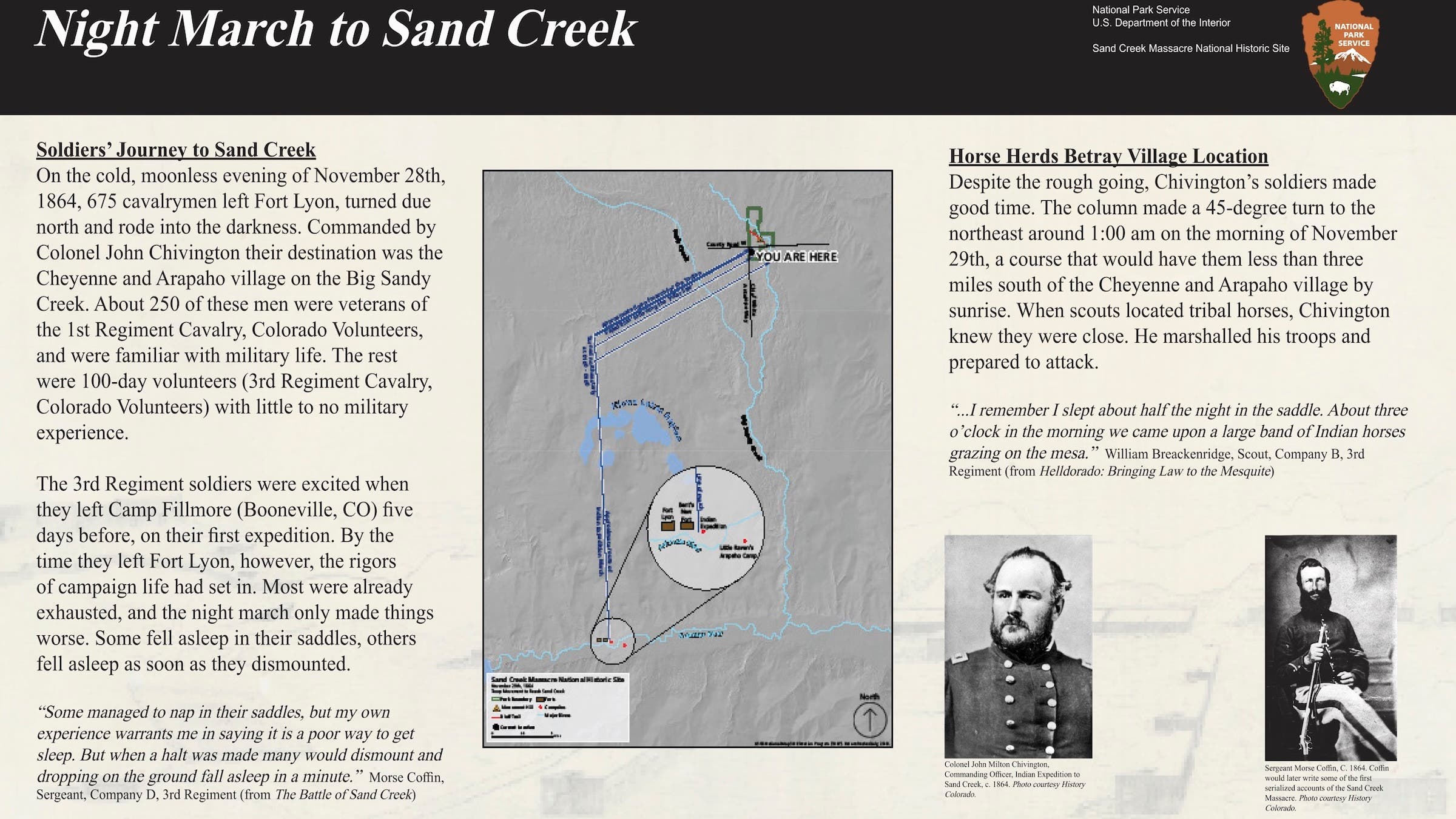
Sand Creek Massacre National Historic Site in Colorado: Staff flagged a sign that features a photograph of Colonel John Chivington, a Methodist pastor and Army officer known for leading the 1864 Sand Creek massacre. In their submission, NPS staff said the sign is often vandalized and should be moved elsewhere.
Wind Cave National Park in South Dakota: Signs developed in consultation with tribal partners were flagged, including those that discussed white settlers and the “unprecedented slaughter” of bison.
Piscataway Park in Maryland: Staff flagged signs that referenced “genocidal colonial policies” and “ongoing forces of settler colonialism” to read simply: “still struggling to regain full sovereignty and access to our lands.” The area was a central hub for the Moyaon people.
Muir Woods National Monument in California: NPS reportedly altered or removed an exhibit titled “History Under Construction.” The 2021 installation annotated an existing sign with sticky notes that provided previously omitted content on Indigenous history, the role of NPS staff in eugenics movements, and the role of women at Muir Woods.
At least 24 other sites mentioning Indigenous histories and land acknowledgements, from Alaska to Nebraska, were also flagged for review and potential removal.
Climate Change, Science and Environmental Issues
Glacier National Park in Montana: Five signs were removed, and interpretive materials were added, noting how climate change is affecting the park and driving the disappearance of its glaciers.
Biscayne National Park in Florida: Managers wrote that an exhibit describing “Marine Debris” that collects on Biscayne National Park islands may “emphasize matters unrelated to the beauty, abundance, or grandeur.”
Everglades National Park in Florida: Signs discussing urbanization, agriculture, drainage, and industrialization were flagged.
War in the Pacific National Historical Park in Guam: NPS staff flagged exhibits referencing how dredging damaged critical habitat and war “turned Guam into rubble, destroying its pre-war architecture.” Also listed for review was content surrounding climate change.
Great Smoky Mountains National Park in Tennessee: Managers flagged signs as being worn and illegible. Topics included how climate change and air pollution have greatly increased haze in the area, native Cherokee interpretations of the land, and how logging has impacted the park’s streams and fish populations, among other topics.
Cape Cod National Seashore in Massachusetts: Photos of signs that reference carbon cycles and the global impact of climate change were submitted.
Andrew Johnson National Historic Site in Tennessee: Exhibits at the site discuss the 17th President Andrew Johnson and “His conflicting, prejudicial beliefs and politics” that “remain a source of controversy and debate today.”
Timucuan Ecological and Historic Preserve in Florida: Staff flagged signs that include images of a slave ship, drought, and the impacts of overpopulation, as well as the impact humans have on the ecosystem.
Salt River Bay National Historical Park and Ecological Preserve in the U.S. Virgin Islands: Managers submitted signs that mentioned how climate and human-related factors have altered the Salt River Bay ecosystem. Other topics include the representation of Indigenous peoples, the Spanish colonial powers, and mentions of slavery.
Acadia National Park in Maine: Staff reportedly removed signs that described both history and science. At least one now-removed sign discussed the significance of Cadillac Mountain to the Wabanaki People. Another sign described the effects of climate change.
Buck Island Reed National Monument in the U.S. Virgin Islands: Signs discussing pollution, oil spills, and the human impacts on the island were flagged.
Marsh-Billings-Rockefeller National Historical Park in Vermont: Staff flagged a sign that describes the site as a “Climate Friendly Park” and encourages visitors to adopt technologies and sustainable practices to address climate change.
Mammoth Cave National Park in Kentucky: Exhibits describing human activities on vulnerable bat populations, pollution, and agricultural runoff were flagged.
Jean Lafitte National Historical Park and Reserve in Louisiana: Signs that describe rising sea levels and climate change in Louisiana were flagged. Also submitted were those that describe the village of Fazendeville, an African American community established on the Chalmette Battlefield (War of 1812) after the Civil War.
According to the database, at least 21 other NPS sites referring to environmental issues and climate change were also flagged for review, including those in Olympic, Zion, and Arches National Parks.
The Civil Rights Movement and Women’s Suffrage
Medgar and Myrlie Evers Home National Monument in Mississippi: The Mississippi monument was established to preserve, protect, and interpret the resources associated with the pivotal role of Medgar and Myrlie Evers in the Civil Rights Movement. NPS flagged a sign that described where Civil Rights leader Medgar Evers was killed by a sniper.
Freedom Riders National Monument in Alabama: This site is where an angry mob firebombed the Freedom Riders’ Civil Rights activists’ bus in 1961. Park staff wrote that they think the content complies with the executive order by focusing on “the greatness of the achievements and progress of the American people.”
Birmingham Civil Rights National Monument in Alabama: NPS staff submitted content discussing Birmingham’s Black Business District, and the historic Gaston Motel built by Black entrepreneur A.G. Gaston in 1954.
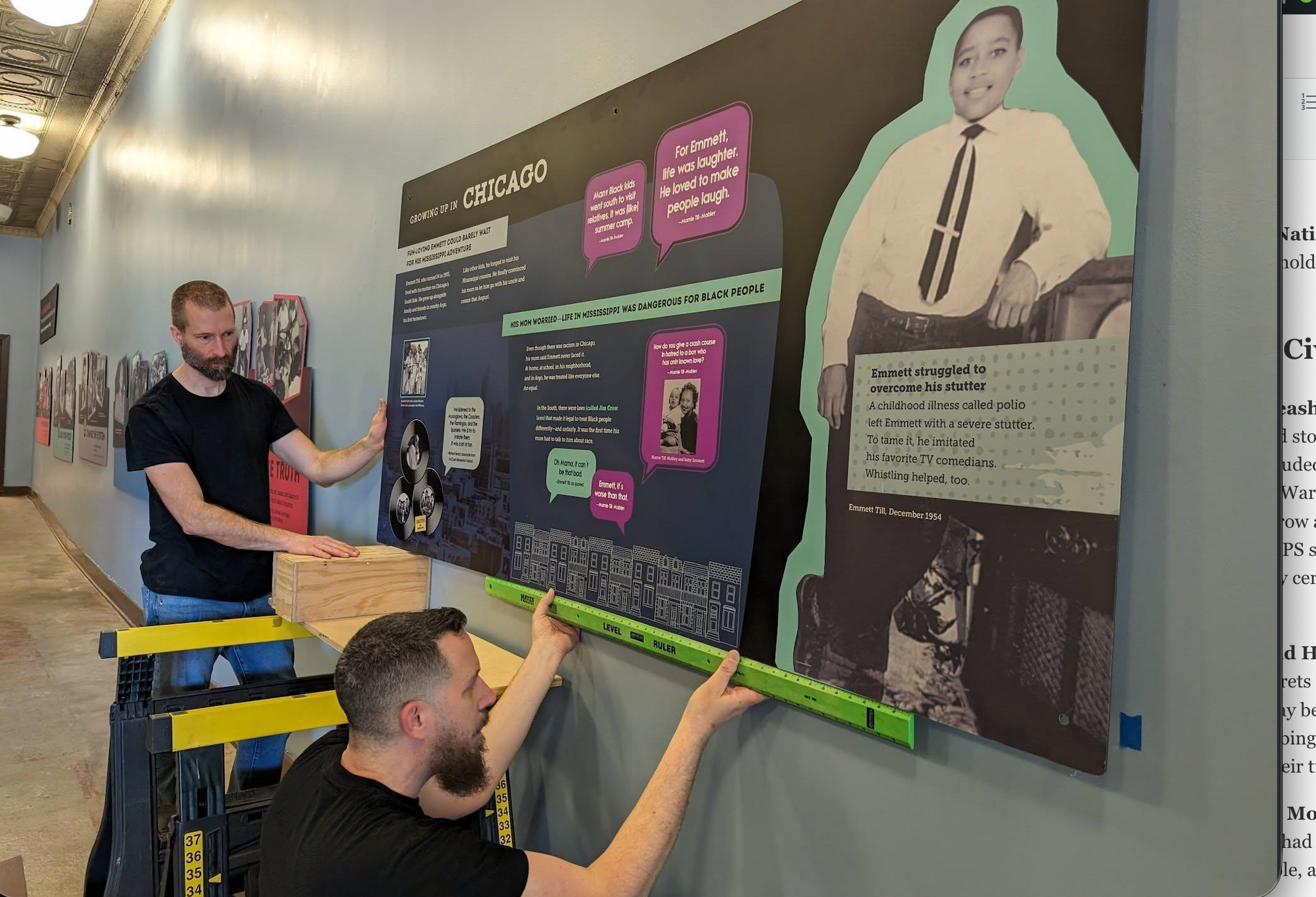
Emmett Till and Mamie Till-Mobley National Monument in Mississippi and Illinois: The touring exhibit tells the story of Emmett Till, a 14-year-old African American boy from Chicago who was killed in Mississippi in 1955. His death launched a Civil Rights movement. NPS staff wrote that “without this exhibit to share the difficult Till story, the new NPS site would be almost completely devoid of interpretation.”
Carter G. Woodson Home National Historic Site in Washington, D.C.: The site preserves the house of Dr. Carter Woodson, the “father of Black history,” who lived and worked there from 1922 until 1950. A nine-minute film that describes racial terror, white men storming Black neighborhoods, and a Black Lives Matter clip were flagged.
Belmont-Paul Women’s Equality National Monument in Washington, D.C.: The monument honors the National Woman’s Party, which fought for suffrage in the early 19th century. In 1917, many of the women were jailed, beaten, and forced to eat when they went on hunger strikes.
At least seven other sites mentioning women’s suffrage and the Civil Rights Movements were included in the database, including those at the Edgar Allan Poe National Historic Site in Pennsylvania and California’s Mojave National Preserve.
Colonialism and American War History
Kings Mountain National Military Park and Cowpens National Battlefield in South Carolina: An education program called “Five Senses. Five People” discusses how people of different social and economic backgrounds experience the American Revolution. Flagged for review were two videos, “Cowpens Classroom” and “Join Our Side,” that provide a virtual tour and highlight the importance of artifacts in historical research.
Palo Alto Battlefield National Historical Park in Texas: NPS flagged signs discussing the Gulf of Mexico and the U.S. “invasion and conquest of Central Mexico.” A film that explains the history of manifest destiny, air pollution, and the expanding industry’s impact on the historic landscape was also mentioned.
Bent’s Old Fort National Historic Site in Colorado: A previously run film was flagged for no longer being in alignment with scholarship about commerce on the plains up to and after the US-Mexico War.
Guilford Courthouse National Military Park in North Carolina: Signage discussing abuses of power, historically submissive 18th-century wives, slavery, and the Cherokee people was flagged.
Hawai’i Volcanoes National Park in Hawaii: Signs involving the colonialization of native Hawaiians and the forced interment of Japanese citizens during World War II were flagged.
Weir Farm National Historic Site in Connecticut: NPS staff flagged three brochures for review, including one that included a Thomas Wentworth Higginson quote that refers to “pathetic monuments to vanished men.”
At least nine other NPS locations that mention colonialism and American history were submitted for review, such as those along the Lewis and Clark National Historic Trail and the White House in Washington, D.C.
Source link
