
No products in the cart.
Outdoor Adventure
These Search and Rescue Tips May Someday Save Your Life

05
Mar
Mar
Published March 5, 2026 10:40AM
Search and rescue (SAR) missions aren’t all helicopter hoists and cliff hangs. During most rescues, SAR teams hike into the backcountry to help tired, cold, and underprepared people who planned to be back home by dinnertime.
Typical rescues aren’t epic, but rather the result of predictable mistakes: a late start, a minor injury, a forgotten jacket. Still, most people requiring help are surprised by the hardship they encounter in the woods.
“They haven’t thought through what happens if they have an accident or make a mistake out there,” Drew Hildner, a 23-year SAR veteran and field leader with the Rocky Mountain Rescue Group, told Outside. “They’re only prepared to have the perfect day.”
The consequences of assuming everything will go smoothly can be serious. In the mountains, a lost or injured hiker can begin to suffer from dehydration and hypothermia in a short span of time. And then, these afflictions can lead to a life-or-death struggle.
We checked in with SAR veterans from mountain rescue groups nationwide to find out what all hikers, skiers, and climbers can do to be better prepared when venturing into the backcountry. They gave us simple advice—that may someday save your life.
Even Experienced Hikers and Climbers Require Rescue
Hildner said a common misperception about backcountry rescue is that it’s only for “daredevils and idiots.” This line of thinking supposes that, unless you’re free-soloing or attempting to summit a glaciated peak while wearing tennis shoes, you don’t need to plan for an emergency.
“The reality is the majority of people that we rescue just have severe ankle sprains, or they wrench their knee, or something that’s common that happens very regularly on the trails,” Hildner said. In short, all it takes is a minor injury or a fall for an experienced hiker or skier to require a rescue.
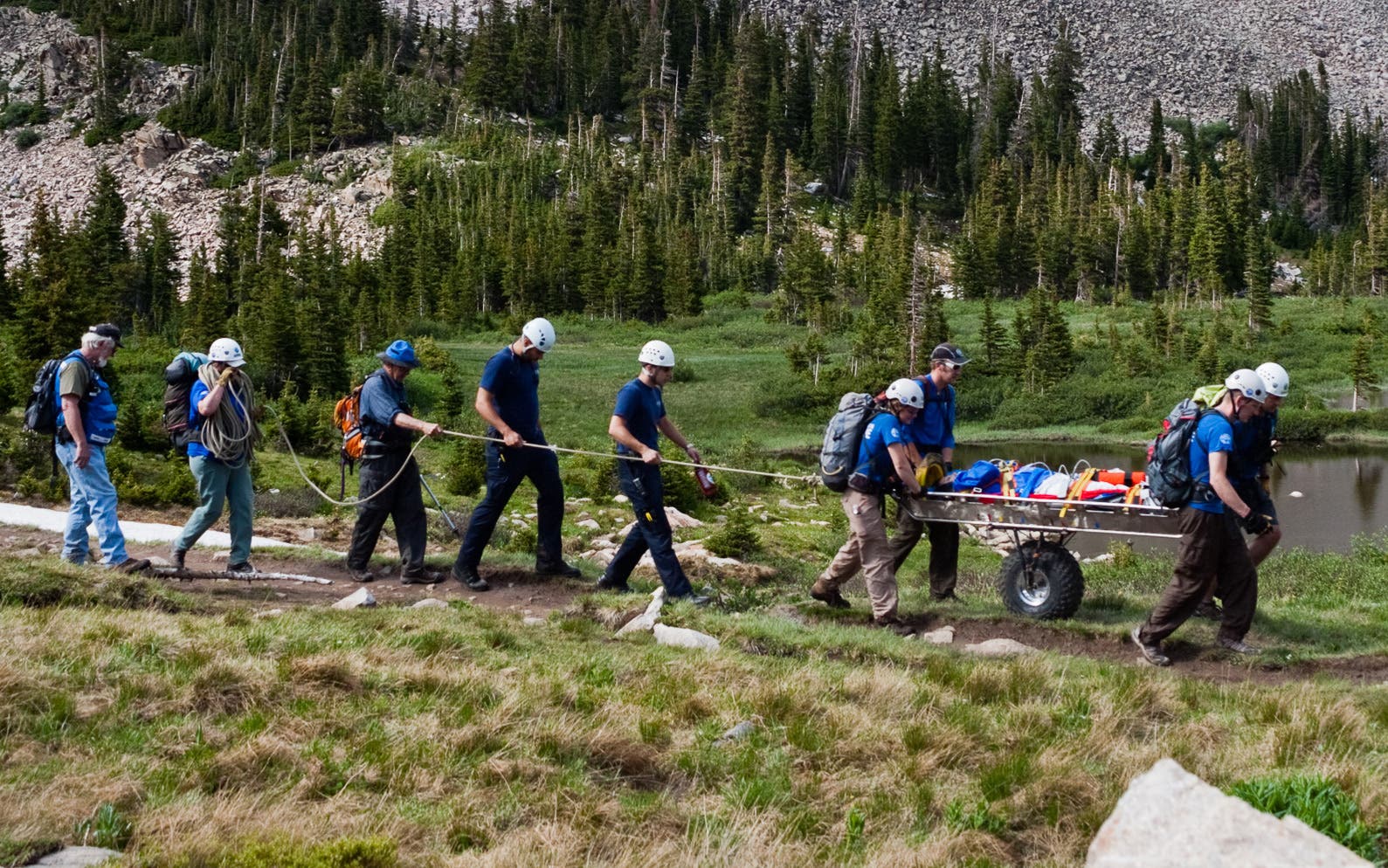
Hildner said the essentials of what you need in an emergency are simple and unglamorous: warmth, light, and the ability to wait. Hildner’s recommends that every backcountry adventurer always bring an extra layer of clothing, no matter the season. For hikers and climbers in mild climates, a wind jacket or puffy does the job. Backcountry skiers should carry a small bivy bag, which adds only six ounces. And ideally, something to separate their body from the ground, like a blue foam pad or Therm-a-Rest Z-lite.
“A snowy environment’s much more hostile if you have to sit tight and wait for a rescue,” Hildner said.
Everyone should bring a headlamp, even climbers. Hildner told Outside that every October, when the days become shorter, his squad must rescue at least one group of climbers who get stuck on a multi-pitch route in Eldorado Canyon after dark. Hildner calls headlamps the universal item. “People having a headlamp would save so many rescues.”
You Don’t Have to Pay for Backcountry Rescue
In most U.S. states, the rescue team that saves you won’t then mail you a bill. A handful of states have rules that do allow for hikers to be charged for rescue. New Hampshire does occasionally charge for rescue, but only if state officials deem the person requiring rescue to be dangerously negligent.
Many SAR teams nationwide work to educate the public that their service is free. Unfortunately, the message doesn’t always get through.
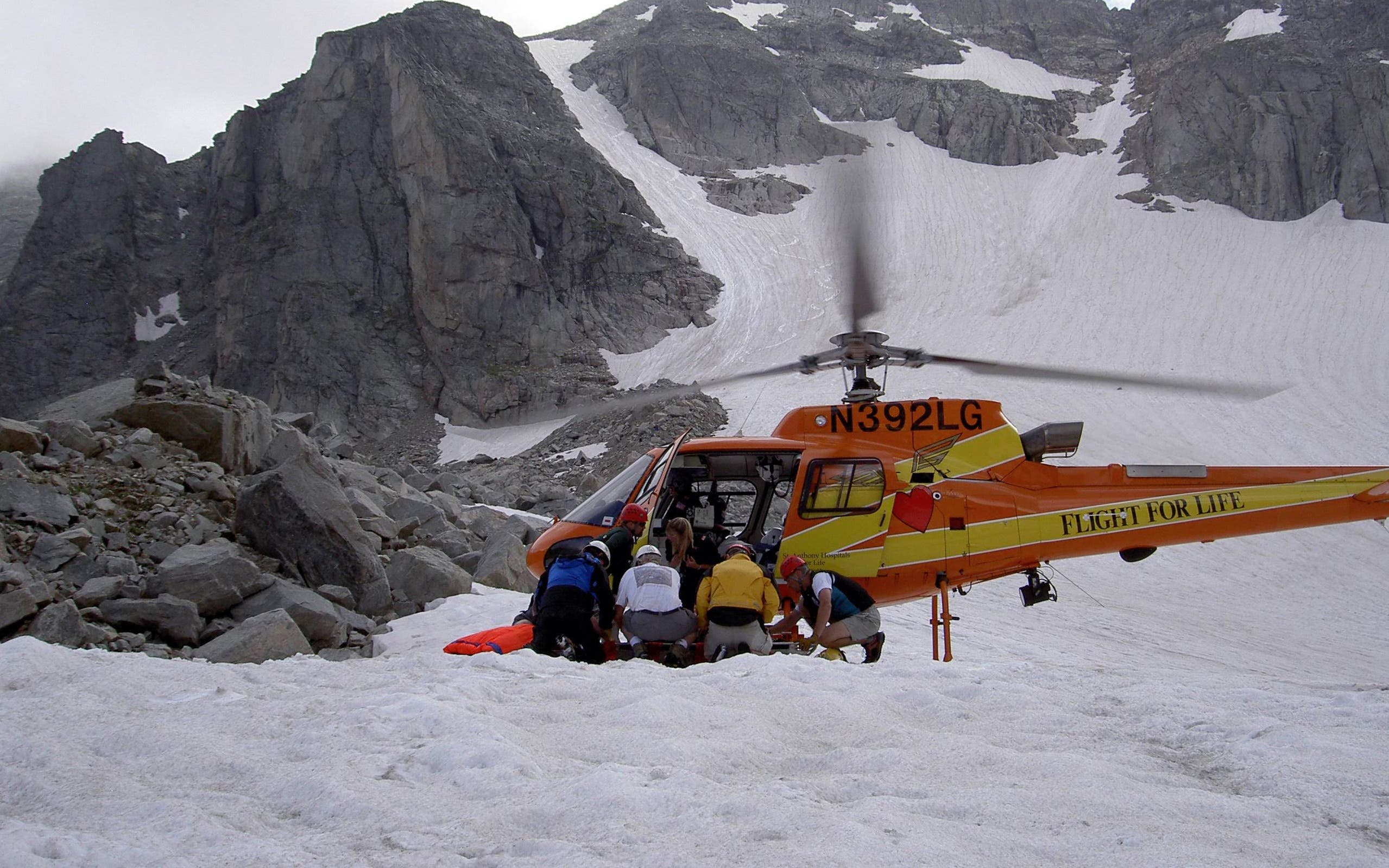
“We’ve had people delay making the call for too long—to where it’s more dangerous for them and for us—because they don’t want to get charged for rescue,” said Hildner “We’ve even had some people unfortunately pass because they were concerned about the costs for rescue.”
Part of the confusion is that transporting a person to a medical facility in an ambulance is not free. But that’s different from the backcountry search and rescue itself.
Helicopters Are Only Used in Extreme Situations
Even in Colorado, which has more than 50 regional SAR teams, helicopter rescues are infrequent.
Dawn Wilson, a 19-year member of the Alpine Rescue Team, said, “Helicopters come in for danger to life or limb, or eyesight.”
Most SAR squads venture into the backcountry on foot, or in vehicles, to help someone in need. And this means that anyone needing rescue should be prepared to wait. Wilson’s rule of thumb: If it took you three hours to get in, assume it will take SAR at least three hours to reach you. While you’re waiting, focus on staying warm and hydrated.
Hildner added, “It’s not like in Europe where helicopters are just sitting there waiting, fully staffed—it’s going to be a couple hours before we get spun up.”
You Must Start Your Own Rescue
Drew Clymer, search and rescue coordinator for the State of Vermont and deputy chief of Stowe Mountain Rescue, said that in the backcountry, people need to be ready to be their own first responder. “Help is on the way, but it could be several hours, so you need to be able to keep the situation from going poorly,” he said.
He echoed Hildner’s suggestion to carry something that will protect you from the cold like a bivy or a tarp, as well as the ability to make a fire.
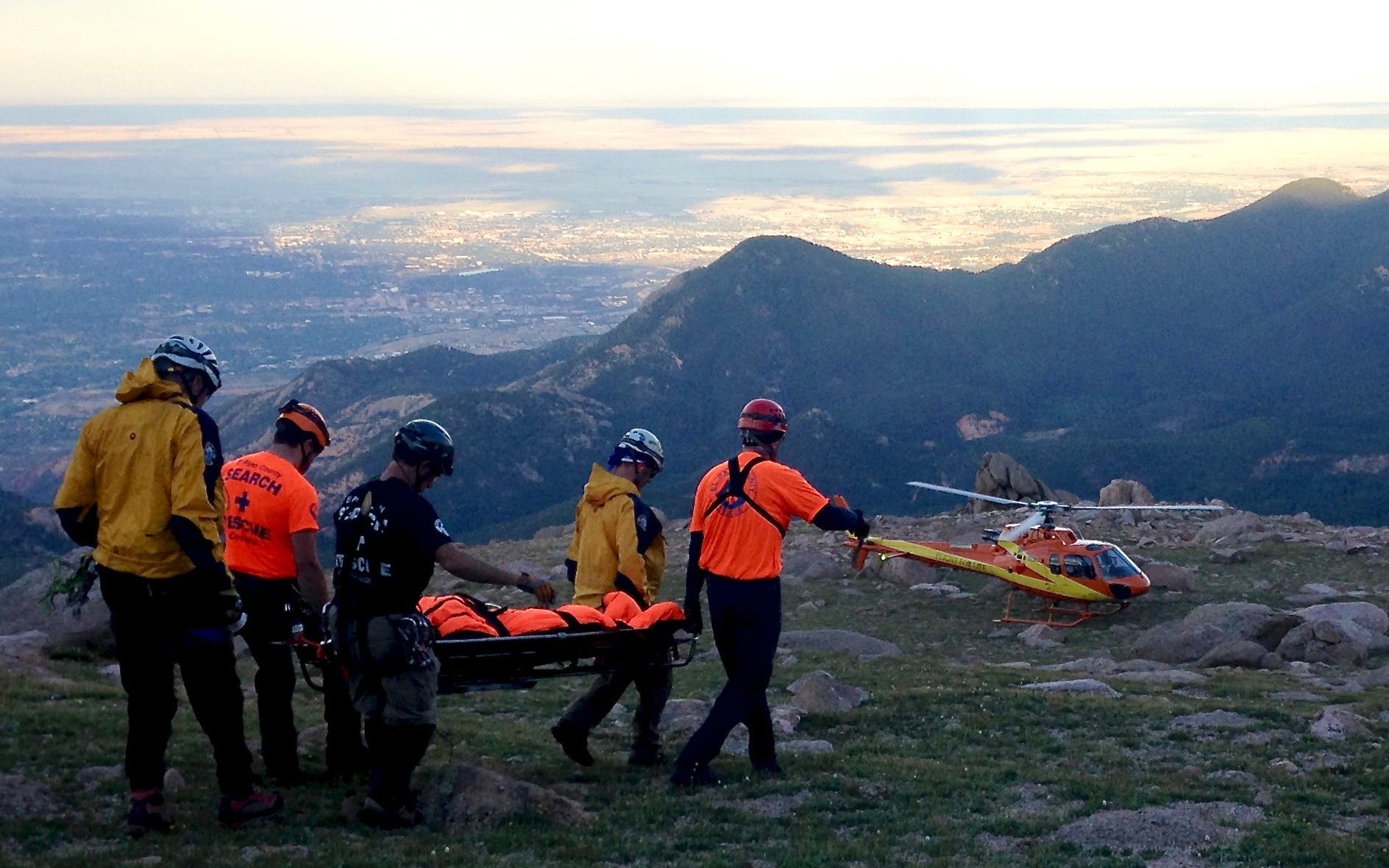
When deciding what medical items to put in your daypack, Clymer said to think beyond Band-Aids and blisters. “In the backcountry, you can have a broken arm, a broken leg, and rescuers will deal with that kind of thing, but what’s gonna kill you fast is freezing or bleeding,” he said.
Backcountry enthusiasts should carry gauze, medical tape, and a wrap. Clymer also recommends bringing a commercial tourniquet, and knowing how to use it to stop bleeding.
Your Most Important Survival Tool Is Already In Your Pocket
SAR missions today are much faster than they were decades ago. That’s because most people can call for their own rescue via phone or satellite device. “In general, the search component’s over very quickly because we’re getting the GPS location that’s in the sub data of the phone call or the text message,” Hildner said.
Cell phones have become so essential in SAR that Hildner said keeping your phone charged is nearly as important as carrying a headlamp. The problem is that backcountry travel drains battery life quickly. “People are using GPS, taking selfies, posting to Instagram, taking video,” Hildner said. “We run into this a lot where someone’s lost or injured and makes contact with us, but has just ten percent battery left.”
Keep your phone in airplane mode or low-power mode whenever you can. Bring a small battery bank to recharge—and the correct charging cable, especially if you’re relying on your phone for navigation.
Wilson added that in many places, you can text 911 instead of placing a call, which saves battery. This function is also more reliable in remote locations with spotty reception. “It has a better chance of getting out than a phone call,” she said. “And we can get exactly what we need written down instead of hearing a garbled voice.”
Always Tell Someone Where You’re Going
Sources told Outside that one of the worst-case scenarios is when a person gets injured or lost in the backcountry, and nobody back home knows where they are, or is expecting them to return. In these scenarios, a stuck person must wait until another hiker, skier, or climber comes through and finds them. Or, until a friend, co-worker, or family member realizes they’re missing and alerts authorities.
“By the time we’re called in, it could be days since they disappeared,” Wilson said. “Now you’ve got someone out there who is not only lost, but most likely injured, dehydrated, and hypothermic.”
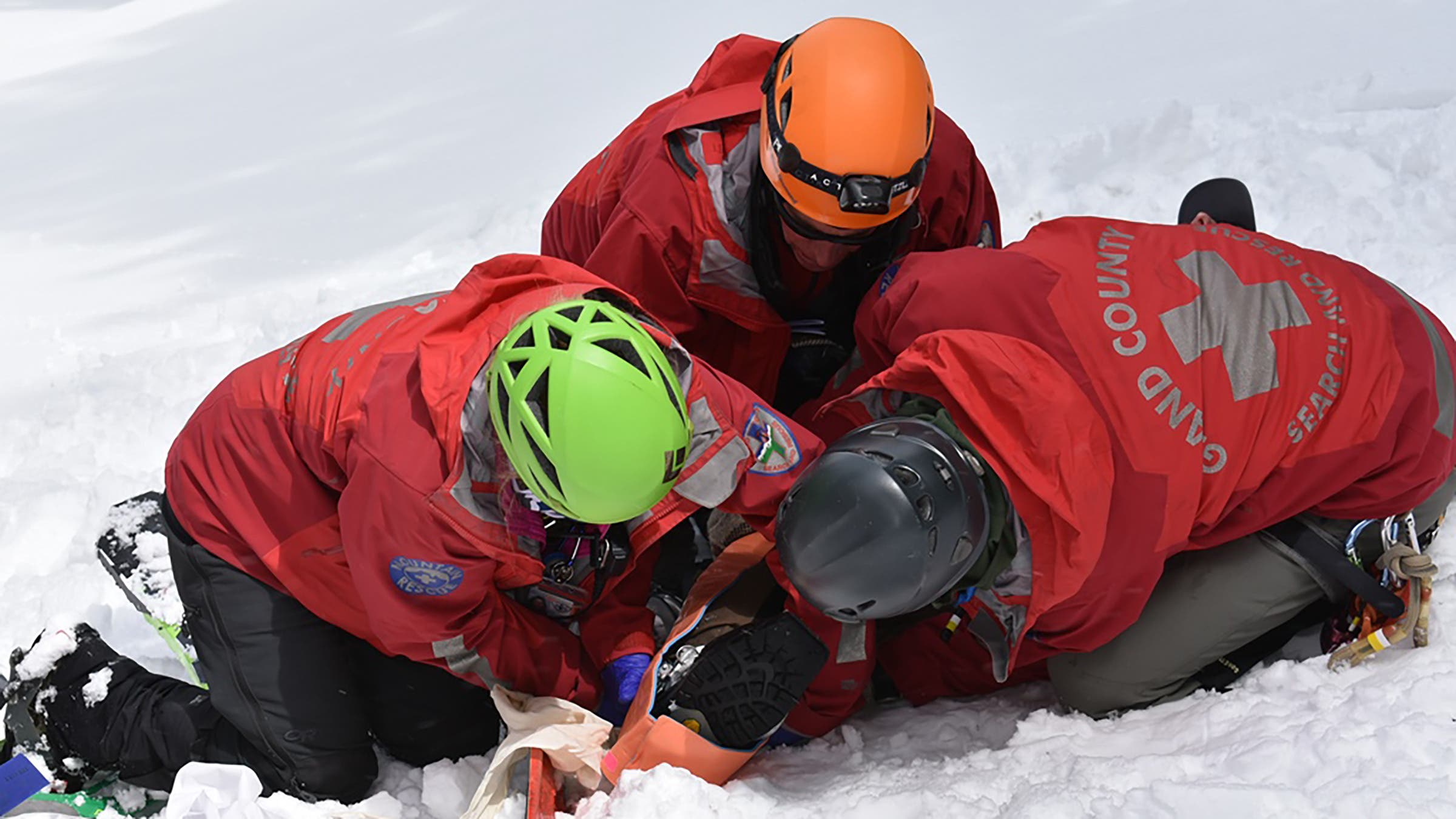
Wilson shared a story of a father and teenaged son who went missing while hiking Mount Blue Sky in Clear Creek County, Colorado in 2014. “It took us more than three months to find them,” she said. It ended up being a body recovery.
Make it a practice to tell someone where you’re going, what time you expect to be back, and what time to call 911 if you haven’t checked in yet. Don’t worry about it being a false alarm.
“The best thing is when we’re called out, and the person walks right off the trailhead, right in front of us—just later than they expected,” Wilson said.
Source link
