
No products in the cart.
Fitness Tips
Watering Your Lawn Now Could Ruin It—Here’s Why

28
Mar
Mar
With temperatures warming up and your lawn awakening, it makes sense to begin watering it, especially when it looks so brown and lifeless. The problem is if you water your lawn as you would during summer months, you can actually do it more harm than good. Overwatering in the spring can lead to more weed growth, a higher chance of disease, and weaker root systems.
Related: This Common Spring Lawn Mistake Can Burn Your Grass Fast
Why Early Spring Watering Differs
Your grass might be waking up, but it isn’t fully growing yet. The soil is also likely still wet from a winter’s worth of precipitation and your grasses roots aren’t taking in water as they normally do. In short, your lawn doesn’t need as much watering as it will when it’s fully awake and facing summer temperatures.
The Danger of Overwatering
As your lawn begins to green, you might be tempted to water it more in an effort to get it to grow faster. That strategy can quickly backfire. Water too often or too heavily in the spring and you can quickly oversaturate the soil, which can cause a whole host of problems:
- Shallow root growth: If water is readily available at the soil surface, then there’s no reason for grass to grow roots deep into the soil. As a result, the grass will develop a shallow root system that makes it susceptible to damage from drought and high temperatures in the summer.
- Higher risk of disease: When the soil and grass stays damp for an excessive amount of time, it creates ideal conditions for mold issues.
- Weed Growth: While your lawn may still be waking up, weeds are already looking to thrive. By watering your lawn excessively, you’re helping those weeds grow faster.
- Waterlogged soil: Too much moisture in the soil prevents oxygen circulating through it and reaching grass roots, which stresses out your lawn.
Related: Don’t Aerate Your Lawn This Spring—Here’s Why
Signs Your Watering Too Much
Not sure if you’re watering too much? Look for these telltale signs:
- The ground feels soft and squishy as you’re walking over it
- Water is pooling on the surface of the lawn after you water it
- Patches of discolored grass or fungus are visible in the lawn
- Growth is uneven or stagnant in parts of the lawn
If you’re seeing any of these issues, then it’s time to scale back your lawn watering effort.
Getty Images.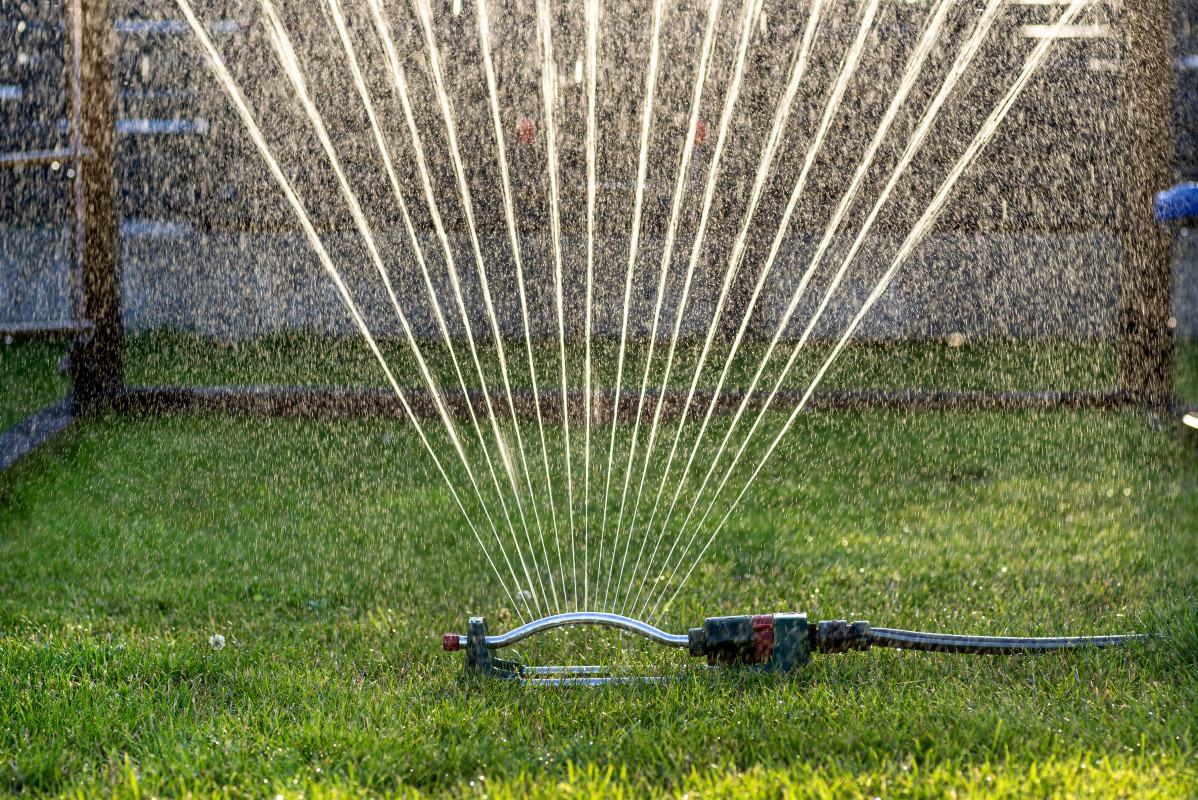
How to Water Properly in Early Spring
Minimalism is the key to watering your lawn in spring. Instead of sticking to a strict watering schedule, make adjustments based on what your lawn actually needs:
Water infrequently
Spread your watering sessions out. The key here is to allow the soil to dry, which encourages roots to grow deeper in search of moisture. This makes for stronger, more resilient turf when the heat of summer arrives.
Don’t water if you don’t need to
Spring rains often provide enough water for your lawn. Before you turn on those sprinklers, check the soil moisture to determine if it really needs water or not.
Water Deeply, Not Frequently
When you do water, give your lawn a deep watering as opposed to frequent light waterings. This prevents your lawn from getting lazy and relying solely on water at the soil surface. Less frequent deep waterings encourage grass roots to grow deeper.
Monitor Weather Conditions
Temperature, precipitation amounts, and your soil type can all determine whether or not you need to water your lawn. Pay attention to weather conditions and only water during warm dry stretches when your lawn needs it.
Bottom Line
While many of us want to dive right into spring lawncare as soon as the weather warms and the grass begins to green, managing your yard is about patience. If you overwater your lawn, you’ll end up doing more damage to it than good. Instead, monitor the grass carefully and only water it when it actually needs it. By taking a more restrained approach now, you’ll encourage the grass to develop stronger root systems that will prepare it for the coming summer heat. When temperatures begin to arise, you can slowly begin to transition to a more consistent watering schedule.
Source link
