
No products in the cart.
Fitness Tips
91 Years Ago Today: Gene Autry Classic Launched a New Kind of Western Star
05
Sep
Sep
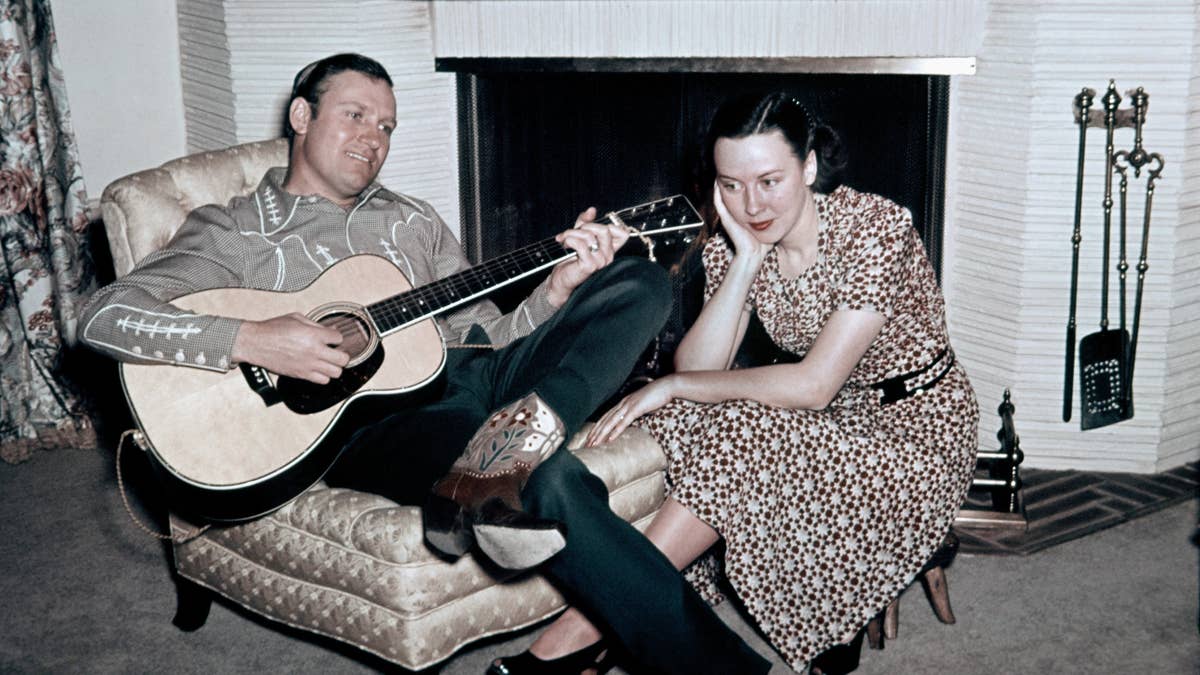
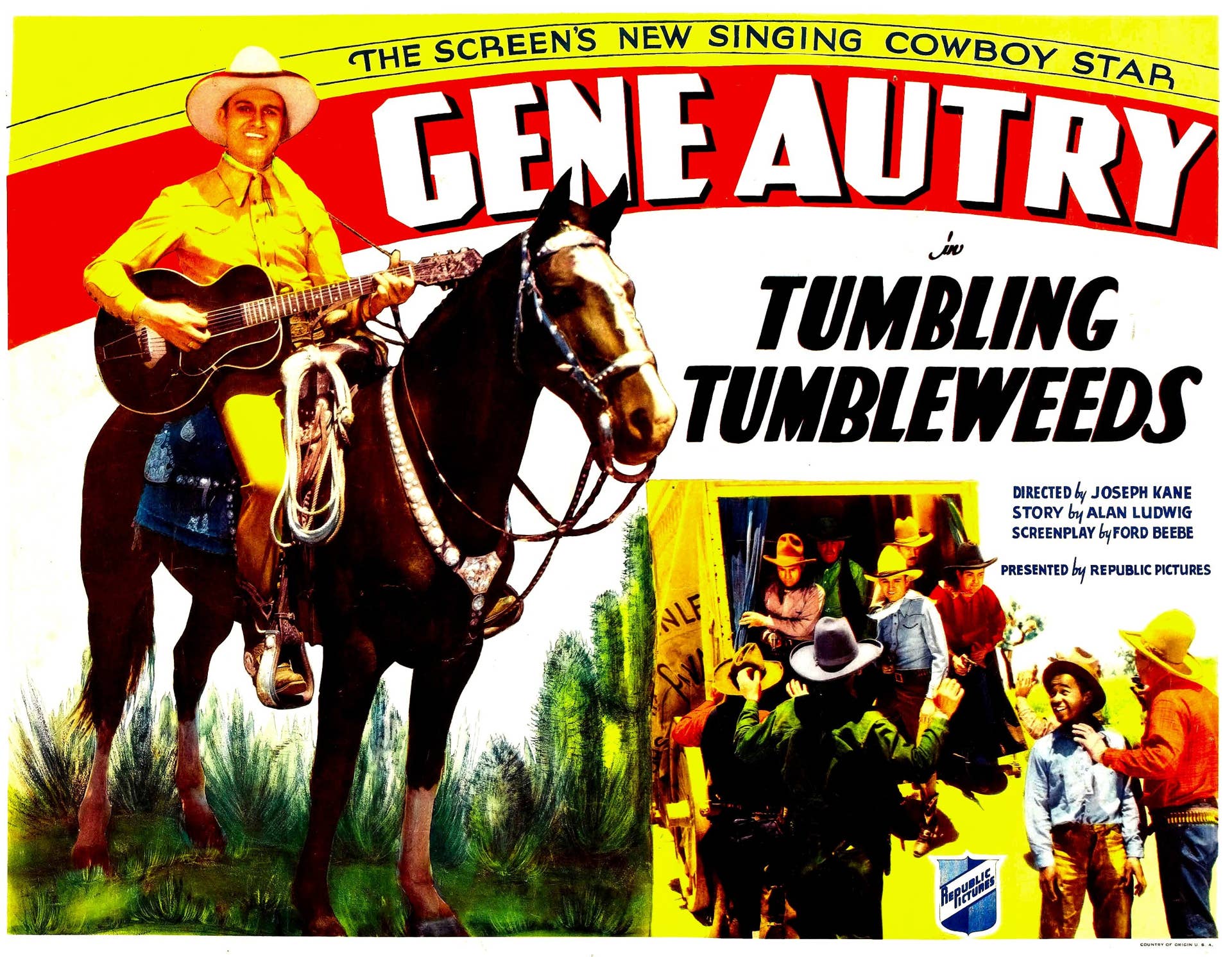
It’s been 91 years since Tumbling Tumbleweeds put Gene Autry at the center of a feature-length Western—and helped turn a radio singer into one of Hollywood’s most bankable cowboys. The AFI Catalog lists September 5, 1935, as its release date and calls it Autry’s “first feature film in a lead role.”
That distinction matters. Autry had already starred in the 1935 serial The Phantom Empire, but Tumbling Tumbleweeds proved that his blend of riding, fighting, singing, and easygoing humor could carry a standalone movie.
Next: 1972 Robert Redford Classic, He Called His Favorite, Named One of the ‘Greatest Westerns’
Gene Autry Found the Role That Made Him a Star
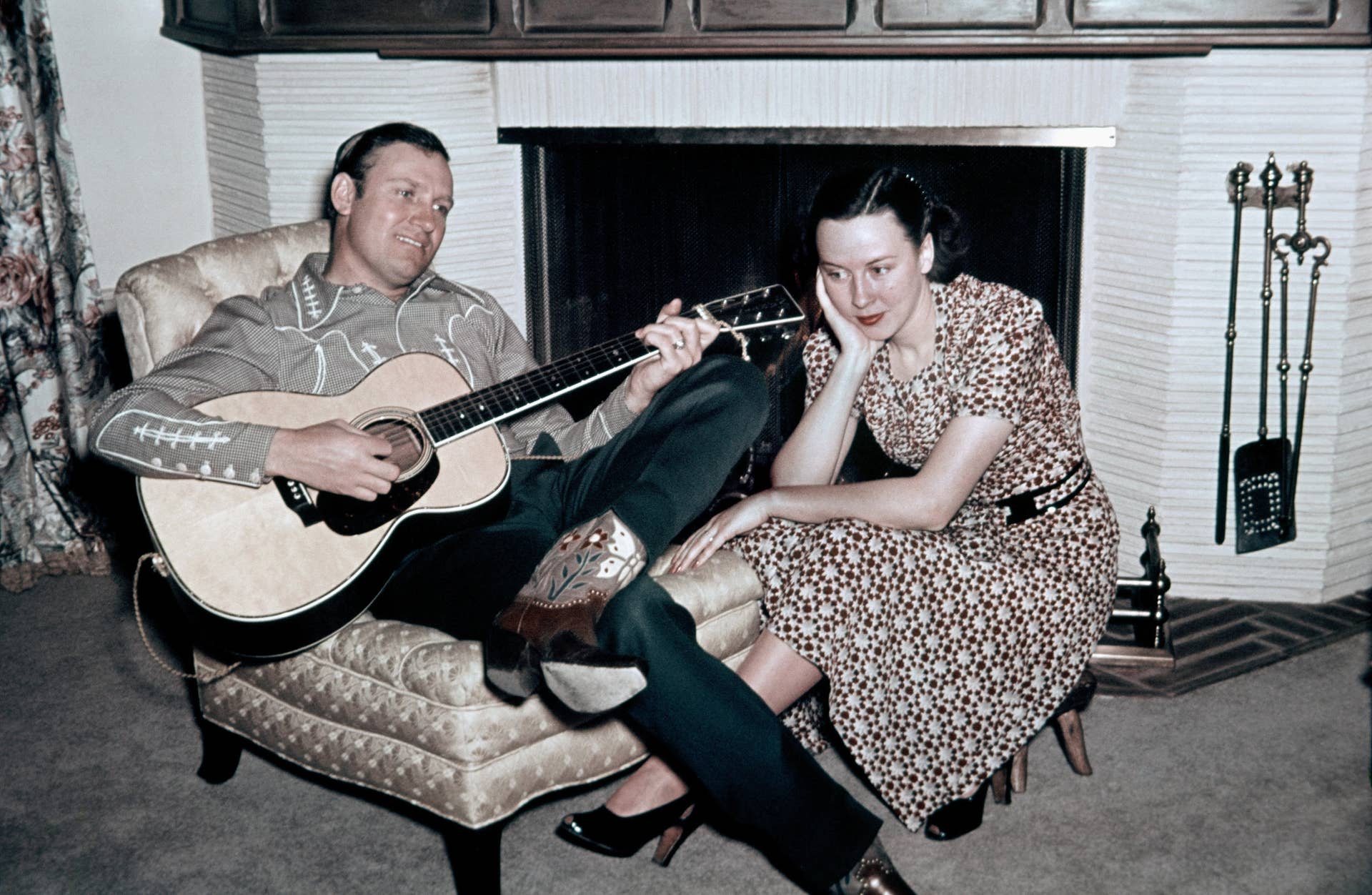
The film casts Autry as a traveling singer who returns home to investigate his father’s murder and clear an old friend accused of the crime. Smiley Burnette provides music and comedy, while the Sons of the Pioneers—including future cowboy star Roy Rogers—appear onscreen.
Republic Pictures knew it was selling something different. According to Gene Autry’s official website, Tumbling Tumbleweeds was billed as “a new kind of entertainment with music, thrills and comedy.” Another promotional line presented Autry as “radio’s silver voice now heard on the talking screen in trills, thrills and spills.”
The combination became a blueprint. The Country Music Hall of Fame notes that “the enormous success of Gene Autry’s westerns led other film studios to look for their own singing cowboys.” Autry’s approachable screen persona offered younger viewers a hero who could stop the villain, sing to the horse, and still deliver a clear moral lesson.
Next: 1969 John Wayne Classic, Named One of the ‘Greatest Westerns,’ Was Turned Down by Clint Eastwood
Its Signature Song Outlived the Movie
Bob Nolan’s title song gave the film an afterlife far beyond Saturday-matinee Westerns. The Library of Congress says the Sons of the Pioneers’ music forms “the foundation of non-traditional, popular cowboy music” and calls “Tumbling Tumbleweeds” one of the songs cut during the group’s first recording session.
Their 1934 recording joined the National Recording Registry in 2010, which recognizes recordings that are “culturally, historically, or aesthetically significant.”
Autry’s rise was just as durable. AFI reports that by 1938 he was “the only western star” ranked among Hollywood’s 10 biggest money-makers, remaining there through 1942. The Oklahoma Historical Society lists “Tumbling Tumbleweeds” among his signature songs.
Next: 1952 Classic, Nearly Starred Kirk Douglas, Named One of the ‘Greatest Westerns of All Time’
Source link
